Grandma's Bag Is Having a Moment — And It's Not Hard to See Why
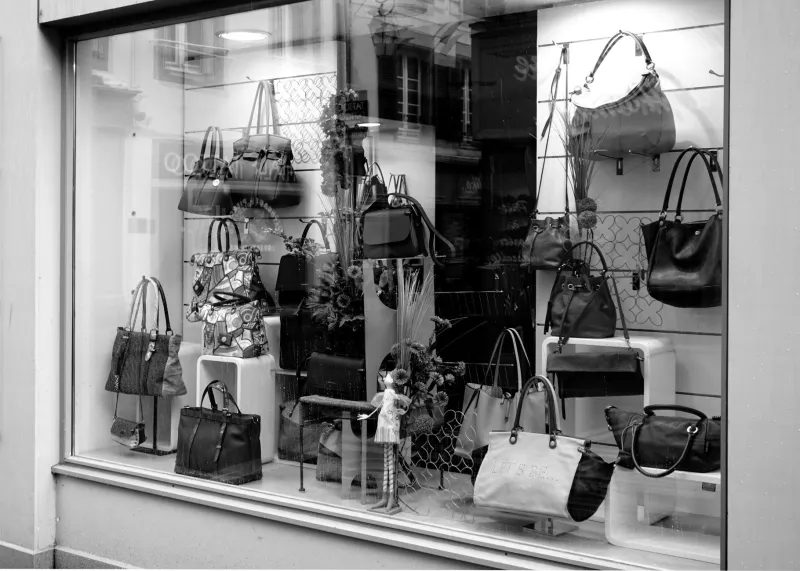
Somewhere in a closet — maybe your mom's, maybe your aunt's, maybe a dusty corner of your own childhood bedroom — there's a bag that has lived a whole life. It went to dinner parties. It crossed state lines. It held lipstick and cash and maybe a few secrets. And right now, in 2024, that bag is more relevant than almost anything sitting on a department store shelf.
Vintage handbags are having a serious cultural moment, and it goes way deeper than nostalgia. It's about authenticity, sustainability, and the very human desire to carry something that actually means something. Fashion stylists and secondhand market analysts are both pointing to the same trend: shoppers are increasingly skeptical of the new, and genuinely excited by the old.
Why Now? The Backlash to Newness
Let's be honest — the luxury bag market has gotten exhausting. Waitlists that stretch for years, prices that climb every quarter, and a flood of near-identical silhouettes that all promise to be the bag of the season. At some point, a lot of shoppers started asking a reasonable question: what's actually special about this?
Vintage bags answer that question before you even open them. A 1970s Gucci bamboo handle bag or a 1990s Coach Legacy tote carries decades of actual design history. The materials were often cut differently, the hardware was heavier, the stitching was done with a level of care that's genuinely hard to find at most modern price points. You're not just buying a look — you're buying a standard.
Add in the sustainability angle, and the case gets even stronger. Every vintage bag you bring back into rotation is one fewer new bag that had to be manufactured. In a fashion landscape where consumers are increasingly paying attention to their environmental footprint, choosing something pre-loved is one of the most straightforward moves you can make.
A Decade-by-Decade Breakdown of What's Worth Finding
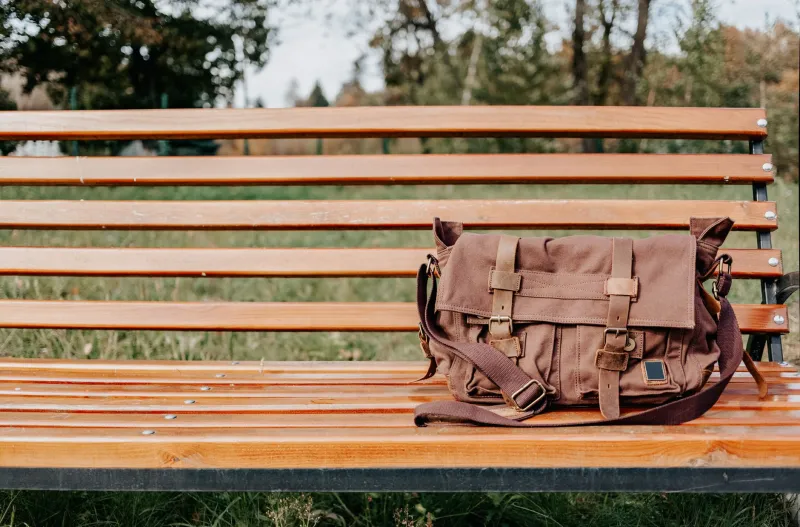
The 70s: Structured, Earthy, and Surprisingly Wearable Leather was the story of the 1970s bag world — thick, vegetable-tanned, burnished to a warm honey or cognac tone that only gets better with age. Structured bucket bags, saddle shapes, and frame bags with brass closures are the standouts from this era. They pair beautifully with modern wide-leg trousers and linen sets, and they photograph like a dream. Look for pieces from Italian makers, even lesser-known ones — the craftsmanship was exceptional across the board.
The 80s: Bold Shapes and Power Moves The 1980s gave us bags that meant business. Boxy silhouettes, strong shoulder straps, and colors that weren't afraid to be seen. This era is particularly great for structured top-handle bags that feel very current right now, when the top-handle trend has been cycling back into style. Brands like Liz Claiborne and Anne Klein produced genuinely well-made pieces that are still holding up — and still turning heads.
The 90s: Clean Lines and Quiet Cool Minimalism ruled the 90s, and the bags reflected it. Pared-back silhouettes, subtle hardware, and a color palette that leaned toward black, cream, and camel. This is the era that gave us the original Prada nylon bag and the early Coach city bags — pieces that feel almost prescient now that quiet luxury is dominating the conversation. If you find a 90s minimalist bag in good condition, buy it. Immediately.
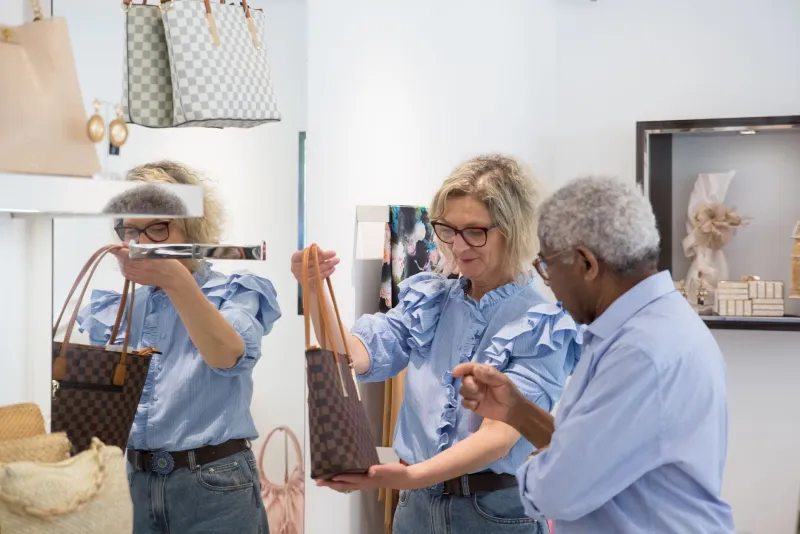
The Early 2000s: Yes, Really Hear us out. The logomania of the early 2000s — the monogram canvas, the embellished straps, the audaciously small evening bags — has officially crossed over from cringe to cool. Y2K fashion has been trending hard among younger shoppers, and the bags are a huge part of that. A beat-up LV monogram pochette or a Dooney & Bourke signature print tote reads as intentional and ironic in the best possible way right now.
How to Authenticate Before You Buy
The vintage bag market is wonderful, but it's not without risk. Here's how to shop smart.
Check the hardware. Authentic vintage pieces used solid brass or sterling hardware that has real weight to it. If the clasp or zipper pull feels flimsy or hollow, that's a red flag. Tarnishing is fine — even desirable — but light weight is not.
Look at the stitching. Vintage luxury bags have even, consistent stitching with no loose threads and no skipped stitches. Count the stitches per inch if you're really serious — authentic pieces tend to have a higher stitch count than fakes.
Read the lining. The interior of a bag tells you a lot. Look for clean seams, quality fabric or leather lining, and any interior stamps or date codes. Many vintage European bags have maker's stamps inside that can be cross-referenced with authentication databases.
Buy from reputable sources. Platforms like The RealReal, Vestiaire Collective, and Rebag have authentication teams. Local vintage boutiques and estate sales can also be goldmines, but without the same guarantees — so bring your research game.
Restoration: What's Worth Fixing and What Isn't
Not every vintage bag arrives in perfect condition, and that's okay. Some wear is part of the charm. But some damage is worth addressing.
Leather conditioning is almost always a good call. A quality leather conditioner can revive a dry, cracked bag surface and bring back flexibility that years of storage have robbed. Hardware polishing is easy and makes a huge visual difference. Interior cleaning — a gentle wipe-down with a slightly damp cloth — handles most musty odors and surface grime.
What's harder to fix: structural damage to the frame, major tears in the leather, broken zippers on certain vintage constructions. A good leather repair shop (yes, they exist — look for cobblers who advertise bag repair) can work miracles, but get a quote before you commit to an expensive fix on a bag you paid $40 for at an estate sale.
Styling the Vintage Piece You Already Own
The most exciting part of this whole conversation? You might already have access to a great vintage bag and not know it. Ask your mom. Ask your grandmother. Dig through family storage. The bag sitting in a box somewhere is not just a hand-me-down — it's a piece of fashion history with a personal story attached.
When you style it, lean into the contrast. A structured 70s leather bag looks incredible against a very modern, minimal outfit. A 90s nylon crossbody plays perfectly with a sleek contemporary look. The vintage piece doesn't need to match the era of everything else you're wearing — it just needs to feel intentional.
And that, honestly, is the whole point. A bag with history feels intentional in a way that a brand-new bag rarely does. It says something about who you are and what you value. In a world full of identical seasonal drops, that's not a small thing.
Carry more than just your stuff. Carry a story.