When a Bag Becomes More Than a Bag: The Very Real Grief of Letting Go
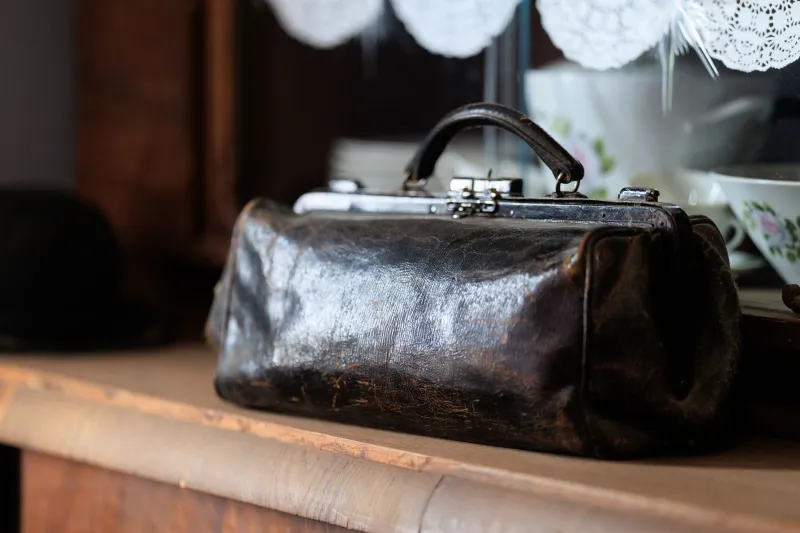
You know the one. The bag that's been through everything — the cross-country moves, the first dates, the job interviews, the lazy Sunday farmers markets. Its strap is slightly frayed. The lining has a stain you can't explain. The zipper pull broke off somewhere in 2019 and you never replaced it because, honestly, it still works fine. And yet, every time you reach for it, it just feels right.
So when that bag finally crosses the line from "well-loved" to "genuinely done," the decision to retire it can hit harder than you'd expect. We're talking actual emotional weight here — the kind that makes you pause before tossing it into a donation bin, or worse, the trash. If you've ever felt a little ridiculous about mourning a bag, know this: you're not alone, and it makes more sense than you think.
Why We Get So Attached in the First Place
Psychologists have a term for it: the endowment effect. Once something is ours, we assign it more value than its objective worth. But with bags, the attachment runs even deeper than ownership. A bag is one of the few accessories we interact with every single day. We touch it constantly. We make decisions around it — what to pack, what to leave behind. In a very real way, it becomes an extension of how we move through the world.
There's also the memory piece. Objects that were present during significant life moments absorb meaning over time. Your worn-out tote was there when you got the call about the promotion. It was slung over your shoulder on your first solo trip. It sat at your feet during long, complicated conversations with people you love. That bag didn't just witness your life — it participated in it.
Fashion therapist Dawnn Karen, who literally wrote the book on the psychology of dressing, has noted that our accessories often serve as emotional anchors. They ground us in who we were at a particular moment, which is partly why letting them go can feel like letting go of a version of ourselves.
The Stories That Hit Different
We asked our community to share their most emotionally loaded bag retirements, and the responses were something else.
One reader described a cognac leather satchel she bought with her first real paycheck out of college. She carried it for eleven years — through three cities, two careers, and a divorce. When the bottom seam finally gave out, she sat with it in her lap for twenty minutes before she could decide what to do. "It felt like ending a relationship," she said. "Like I was closing a chapter I wasn't ready to close."
Another reader talked about her late mother's structured handbag — a classic boxy style in burgundy that she'd inherited and used daily for years. When the hardware finally snapped beyond repair, she couldn't throw it away. It lives in her closet now, tucked in its dust bag, retired but not gone.
And then there's the woman who carried the same canvas weekender on every trip she took in her thirties. When it finally fell apart — a handle seam tearing completely through — she cut out a small square of the fabric and had it framed. "Sounds dramatic," she admitted, "but I needed to keep something."
None of these responses sound dramatic to us. They sound honest.
The Practical Side of Saying Goodbye
Before you retire a bag entirely, it's worth running through a few options — because sometimes a bag that feels done just needs a little intervention.
Get a professional opinion first. A good leather repair shop or cobbler can work miracles. Relined interiors, replaced straps, re-stitched seams — a skilled craftsperson can extend a bag's life by years. If you're in a major US city, chances are there's a specialty repair shop within reasonable distance. It's worth one consultation before you call it.
Consider repurposing. A bag that can't be carried anymore doesn't have to disappear. Use it as a storage vessel — on a bookshelf, in a closet, as a catch-all on a dresser. Some people repurpose smaller sections of a beloved leather bag into a wallet or keychain. There are artisans on Etsy who specialize in exactly this kind of sentimental upcycling.
Donate with intention. If the bag is still functional but just not right for you anymore, pass it forward. Women's shelters, job training programs, and organizations like Dress for Success accept bags in usable condition. Knowing your bag is going somewhere meaningful makes the goodbye feel less like an ending.
Document it. This sounds sentimental because it is. Take a photo. Write down what it meant to you — where you carried it, what it held, who you were when you used it. You don't have to share it with anyone. It's just a way of honoring the thing before it goes.
The Permission Slip You Didn't Know You Needed
Here's the thing nobody really says out loud: it is completely okay to feel sad about a bag. Our culture tends to be pretty dismissive of emotional attachment to objects, especially fashion objects, especially bags. There's a whole genre of eye-roll directed at people who care about their accessories.
But caring about the things that carry you through your life isn't shallow. It's actually a sign that you're paying attention — to quality, to memory, to the way objects accumulate meaning over time. The grief you feel when a beloved bag finally gives out is the grief of a well-lived chapter ending. That's not nothing.
Moving Forward Without Moving On Too Fast
When you're ready to find the next bag — and eventually, you will be — give yourself some space to think about what made the last one so right. Was it the size? The weight? The way it sat on your shoulder? The color that went with everything? Those details matter, and they're worth carrying forward into your next choice.
The best bag relationships are the ones that last — not because you held onto something past its prime, but because you chose well from the start and let the bag do its job until it genuinely couldn't anymore. That's the whole philosophy behind investing in pieces that are built to go the distance.
Your next great bag is out there. And someday, years from now, you'll probably feel this same way about it too. That's not a problem — that's the point.