Carried Through It: The Quiet Emotional Power of the Bags That Witnessed Your Hardest Chapters
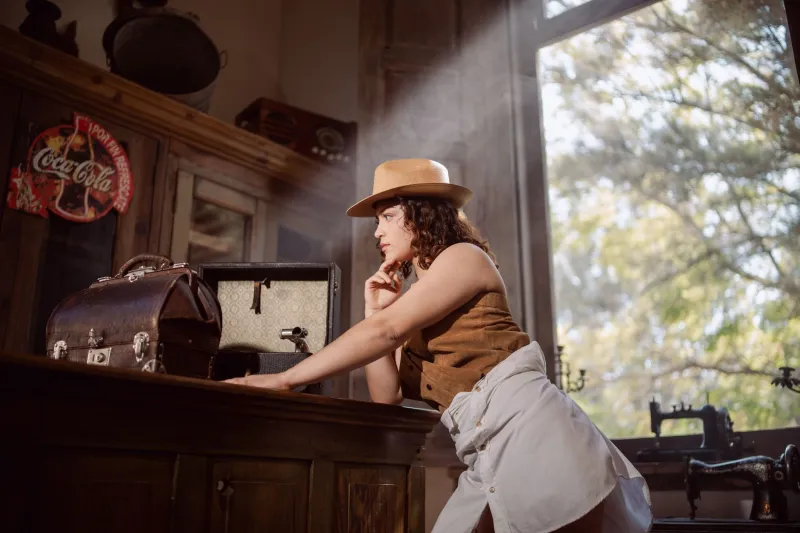
There's a canvas tote hanging in a lot of women's closets right now that has no business still being there. The handles are frayed. The bottom has a faint stain from a coffee that spilled somewhere in the middle of a very bad month. It's not pretty. It's not practical. And yet — it stays.
Maybe you know exactly which bag I'm talking about. Yours.
Bags are utilitarian objects. We buy them to carry things. But somewhere between the first time you slung one over your shoulder and today, something else happened. They started carrying you.
Why Accessories Become Emotional Artifacts
Psychologists have a term for the way we attach meaning to physical objects: the endowment effect. Once something has been ours — especially through a significant experience — we assign it a value far beyond its material worth. A bag that retailed for $80 becomes priceless when it was the thing you grabbed on your way out the door the morning everything fell apart.
But it goes deeper than that. Bags are uniquely positioned among our belongings because they're active participants in our lives. Unlike a piece of furniture that sits in a room, a bag goes where you go. It was in the car when you had that fight. It was on the floor of the doctor's office. It was at your feet on the plane when you moved across the country. It witnessed things.
That's not nothing.
The Breakup Bag
Ask around and you'll find that almost everyone has one — the bag that got them through a relationship ending. Sometimes it's the structured leather tote you bought yourself as a kind of declaration: I am a person who has their life together, even right now, even in this. Sometimes it's the beat-up crossbody you wore every single day for six months because routine was the only thing keeping you upright.
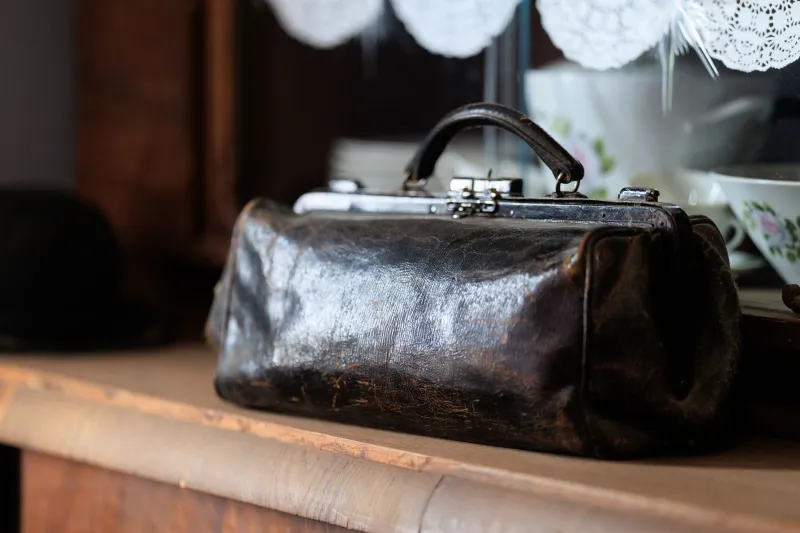
These bags absorb the era. The scuffs on the bottom corner happened during a specific season of your life. The pen mark on the interior lining? You know exactly where you were when that happened. Every imperfection is a timestamp.
And that's why getting rid of them feels less like decluttering and more like deleting a photo. Even when the memory isn't entirely happy, it's still yours.
The Moving Bag
Then there's the bag that held your old life.
Maybe it was a backpack you loaded up when you finally left a job that was crushing you. Maybe it was a weekender you packed for the last time you stayed in the apartment you shared with someone who wasn't right for you. Maybe it was a duffel that made the drive from your hometown to a new city where nobody knew your name yet.
These bags carry a specific kind of weight — the weight of transition. They were present at the exact moment when who you were started becoming who you were going to be. That's a hard thing to fold up and donate.
The Problem with Keeping Everything
Here's the honest part: holding onto every emotionally loaded bag isn't the same as honoring your past. Sometimes it's a way of staying in it.
If you open your closet and find three bags you haven't touched in years, each one tied to a chapter you've genuinely closed, that's not a memory collection. That's clutter with a story attached. There's a difference.
The bags that still serve you — emotionally, practically, or both — deserve to stay. The ones that just make you feel heavy when you look at them? Those might be ready to go.
The trick is figuring out which is which.
How to Do the Emotional Archaeology Without Getting Stuck
Pull the bag out. Hold it. Give yourself a minute to actually feel what comes up — not to wallow, just to acknowledge. There's a difference between a bag that makes you feel nostalgic and one that makes you feel bad. Nostalgia is warm. It's bittersweet. It means you've actually moved through something. If what you feel is more like dread or sadness or a low-grade ache, that's information worth paying attention to.
Ask yourself honestly: Would I buy this bag today? Not because it has to be trendy, but because it has to still represent something true about who you are now. If the answer is no — if the version of you who bought it feels like a stranger — it might be time.
Some options for what to do next:
- Keep it, but change how you use it. A bag tied to a hard memory doesn't have to stay in storage. Bring it back into rotation with intention. Wear it on a day that feels good. Let it make a new memory.
- Photograph it before you let it go. You don't have to keep the object to keep the story. A photo in your phone's camera roll takes up zero closet space and holds just as much meaning.
- Pass it on with purpose. Donating a bag to a women's shelter or a clothing drive means it goes somewhere it's actually needed. There's something quietly powerful about a bag that carried you through hard times going on to carry someone else through theirs.
- Repurpose it. A beat-up canvas tote that's too worn for daily use makes a great beach bag, a gardening tote, or a car bag. It stays in your life in a lower-stakes role.
A Note on the Bags Worth Keeping Forever
Not every emotionally loaded bag should go. Some of them are the ones you reach for on big days — the bag you carry when you need to feel like yourself. The one that's been with you through enough that it's practically a lucky charm. The one that, when you pick it up, makes you feel like the most capable version of yourself.
Those bags? Keep them. Wear them. Take care of them.
Because the point was never to purge your past. It was to carry it well — and know the difference between what's worth holding onto and what you've already grown beyond.
Your bag has been keeping score this whole time. The question is just whether the score still feels like yours.