Why You Can't Quit Your Old Bags — And Smarter Ways to Finally Move Them On
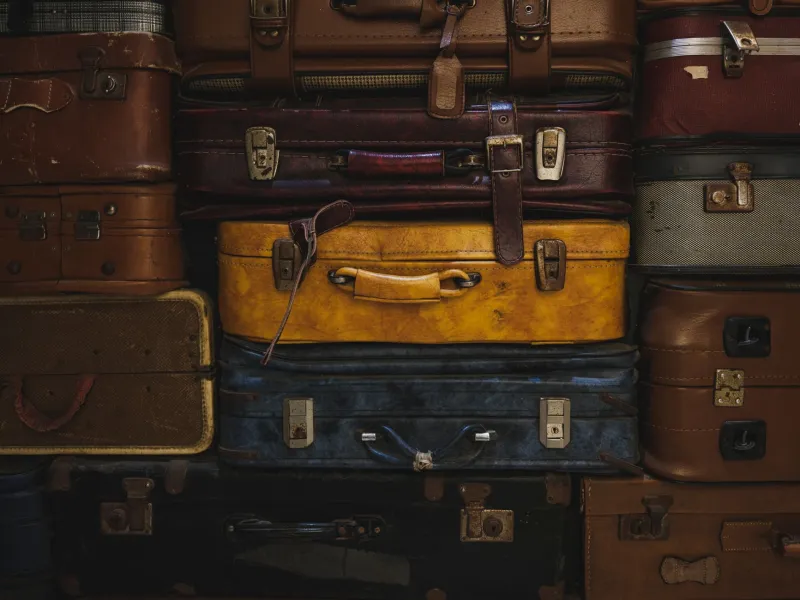
There's a specific kind of guilt that lives in the bottom of your closet. It's not loud. It doesn't demand anything. It just sits there, wedged between a bag you use every day and one you bought on vacation three years ago and have touched exactly once since. You know the one. The strap is starting to peel. The zipper sticks. And yet — you cannot bring yourself to get rid of it.
You're not alone, and you're not being irrational. The psychology behind bag attachment is genuinely complicated, and the practical guilt of discarding something that cost real money — or carried real meaning — is a legitimate emotional experience. But at some point, the bag graveyard situation has to be addressed. So let's talk about what's actually going on, and what you can realistically do about it.
The Attachment Is Real (And It Makes Sense)
Bags aren't just accessories. They're functional companions. A purse you carried through a cross-country move, a job interview, a first date — it absorbed some of that experience. Neuroscientists have a term for this: the endowment effect. We assign greater value to things we own than to identical things we don't. Add a layer of emotional memory, and suddenly a $60 bag from five years ago feels priceless.
There's also the sunk cost trap. If you paid $200 for something and barely used it, throwing it away feels like throwing away $200 all over again. Keeping it feels like maintaining the possibility that you'll eventually get your money's worth. Spoiler: you won't, and keeping it doesn't change that math.
The first step is just naming this honestly. The bag isn't serving you. Keeping it isn't recovering your investment. What you're actually doing is paying rent — in closet space and mental clutter — on something that's no longer working for you.
When It's Genuinely Time to Let Go
Not every worn bag is a lost cause, and we'll get to repair options in a minute. But some bags really have reached the end of their functional life. Here's how to tell:
- Structural failure: The frame is bent or broken, the base has collapsed, and no amount of stuffing fixes it.
- Lining damage that can't be repaired: Torn or peeling interior fabric that contaminates everything you put inside.
- Hardware that's beyond polishing: Corroded zippers, broken clasps, and snapped rings that can't be replaced.
- Straps that are genuinely unsafe: Cracked leather or fraying fabric that could snap mid-carry.
If a bag hits two or more of these markers, you're looking at a retirement situation, not a restoration project.
Before You Toss It: The Resale Reality Check
America has a thriving secondhand market, and bags move well on it — sometimes surprisingly well. Platforms like Poshmark, Depop, ThredUp, and The RealReal (for higher-end pieces) have made it easier than ever to turn your unwanted bags into actual cash.
Before listing, be honest about condition. Clean the bag thoroughly, photograph it in natural light from multiple angles, and describe any flaws clearly. Buyers on resale platforms are savvy, and accurate listings get better reviews and repeat buyers if you sell multiple items.
For designer pieces, even in imperfect condition, it's worth getting an authentication and valuation done before pricing. A Louis Vuitton with a broken clasp is still worth more than you might think. Luxury consignment shops in most major US cities will do assessments, and many operate online now.
Donation: More Nuanced Than You Think
Donating sounds simple, but doing it well takes a little thought. Goodwill and Salvation Army accept bags in most conditions, but they're often overwhelmed with low-quality items. If your bag is in decent shape, consider more targeted options:
- Dress for Success: A nonprofit that provides professional clothing and accessories to women entering the workforce. A structured tote or professional handbag is genuinely useful here.
- Local shelters and transitional housing programs: Many accept gently used bags for residents rebuilding their lives.
- School supply drives: Canvas totes and backpacks are often specifically requested.
If the bag is too worn to donate as-is, some textile recycling programs — including those run by H&M and TerraCycle — will take it for material recovery rather than landfill disposal.
Upcycling: The Option You Probably Haven't Tried
This one gets overlooked because it sounds craft-project-y, but upcycling a bag doesn't mean you need a sewing kit and a Pinterest board. There are real options here:
Repurpose the hardware. Zippers, clasps, D-rings, and chain straps from old bags can be salvaged and used by leather crafters or sold in craft supply groups online.
Turn it into storage. A structured bag that's too worn to carry publicly still works great as a desktop organizer, a nightstand caddy, or a craft supply holder.
Commission a transformation. There's a growing community of artisan bag restorers and upcyclers across the US who can turn a damaged bag into something genuinely new — relined, repainted, restructured. Search Etsy for bag restoration services in your area.
The Environmental Dimension
Fashion waste is a real problem, and bags are part of it. Synthetic materials — faux leather, nylon, coated canvas — don't biodegrade meaningfully. Sending them to landfill is a decades-long commitment. That's not a guilt trip; it's just context for why the resale, donation, and recycling options above actually matter beyond your closet.
Choosing what to do with a bag thoughtfully is an act of sustainability, even if it's a small one. And honestly, it's also an act of respect for the thing itself — and for the version of you that bought it.
Letting Go Without the Guilt
Here's the reframe that actually helps: the bag already did its job. It carried your things, it went places with you, it was part of your life for a while. That's not nothing. Releasing it — whether through resale, donation, or recycling — isn't abandonment. It's completion.
You don't have to keep every bag you've ever loved. You just have to make sure the ones you move on actually go somewhere useful. That's it. That's the whole thing.
Now go look in that closet.