Your Bag Is Failing You at the Airport — Here's How to Fix That
You've done everything right. You checked in online. You printed your boarding pass. You showed up with a solid hour to spare. And then — the security line. Suddenly your beautifully curated travel bag is working against you, not for you. Zippers in the wrong places, metal hardware triggering the scanner, laptop buried under three layers of carefully packed essentials. Sound familiar?
The uncomfortable truth is that most bags are designed to look good on a shelf or in a photo, not to survive the gauntlet of a TSA checkpoint. But here's the good news: with a little insider knowledge, you can find bags that do both.
The Real Cost of a 'Wrong' Bag at Security
Let's be honest — nobody's factoring TSA performance into their bag-buying decision at the boutique. But maybe they should. Frequent travelers know the feeling: you're moving through the line smoothly until you have to dig through a disorganized interior to find your laptop, or your metal-studded straps set off the body scanner for the third time this year.
Sarah, a marketing consultant who flies out of O'Hare roughly twice a month, put it bluntly: "I lost count of how many times I've had to do a full unpack at the bin because my bag has no dedicated tech pocket. It's embarrassing and it slows everyone down."
That friction adds up — not just in time, but in stress. And it's almost entirely preventable if you know what to look for.
What TSA Agents Actually Notice
We talked to a few frequent-flyer communities and dug into publicly available TSA guidance to understand what actually creates slowdowns. The patterns are pretty consistent.
Dense, cluttered bag interiors are the number one issue. When everything in your bag is layered on top of everything else, the X-ray image looks like a jumbled mess — and that means a secondary screening. Bags with clearly segmented compartments create cleaner X-ray profiles, which means agents can clear you faster.
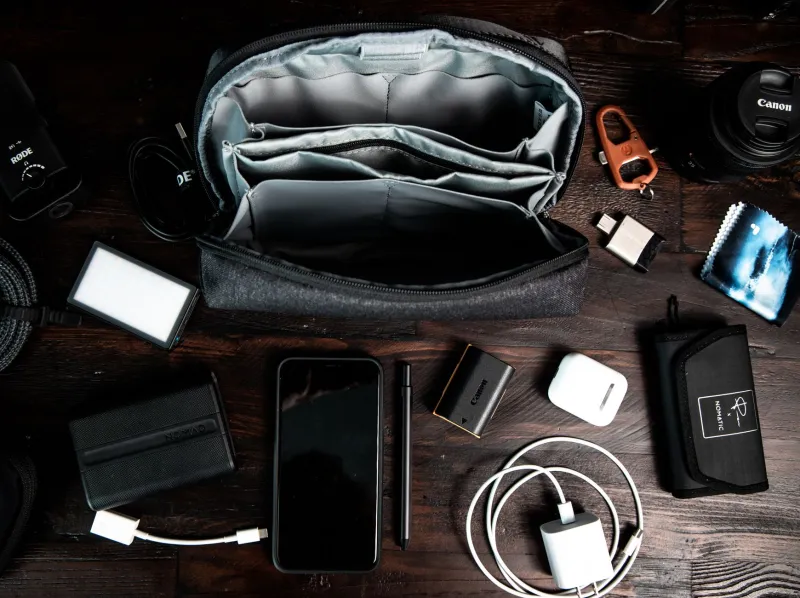
Loose cables and cords are another common culprit. They tangle in imaging and can look suspicious. A bag with a dedicated cable pouch or tech organizer keeps those items isolated and easy to identify.
Metal hardware is a more nuanced issue than most people realize. It's not just about quantity — placement matters. Decorative metal near the bottom of a bag can blend with other contents on the scanner, while hardware concentrated at the top (near closures) tends to read more cleanly. That said, excessive studs, chains, or thick metal frames do increase the likelihood of a manual bag check.
The Bag Style Ranking: Security Line Edition
Not all bag silhouettes are created equal when it comes to airport performance. Here's a rough ranking based on real-world travel experience:
1. Tech-focused backpacks — These are the undisputed champions. Dedicated laptop sleeves that open flat, external USB ports (which don't trigger alarms), padded dividers, and front-access pockets make these bags TSA's best friends. The design is literally built around modern travel needs.
2. Structured totes with interior organization — A well-organized tote with slip pockets and a clear interior layout performs surprisingly well. The open-top design means quick access, and if you've got a dedicated tech pocket, you're golden. The weakness? No external closure means things shift around in transit.
3. Convertible backpack-to-tote bags — These hybrid styles are gaining ground for a reason. They give you the organizational benefits of a backpack with the aesthetic flexibility of a tote. Most modern versions include a luggage sleeve and a laptop compartment, making them genuinely airport-ready.
4. Classic shoulder bags and satchels — Stylish? Absolutely. Travel-efficient? It depends entirely on how the interior is laid out. A shoulder bag with a single main compartment and no exterior pockets is a security line liability. One with a front zip pocket and a padded sleeve inside is a totally different story.
5. Mini bags and micro purses — Look, we love a tiny bag moment as much as anyone. But for actual travel days? They're decorative. You can't fit your essentials, let alone your laptop, and they often have more hardware per square inch than any other bag style. Save them for the destination.
6. Chain-strap and heavily embellished bags — These are the slowdown specialists. Heavy chains frequently need to be removed and placed in a bin, which means extra steps, extra handling, and extra chances for something to go wrong. Beautiful at dinner. Painful at 6 a.m. in Terminal B.
Features to Actually Look For When Buying a Travel Bag
Instead of shopping by aesthetic alone (though we're not saying ignore it — this is OOOBag, after all), here are the functional features worth prioritizing:
A lay-flat laptop compartment. This is non-negotiable if you travel with a computer. Being able to pull your laptop and place it flat in a bin without unpacking your entire bag saves minutes every single trip.
External quick-access pockets. A front zip pocket or side slip pocket means your boarding pass, phone, AirPods, and ID are reachable without opening the main compartment. This alone can shave two to three minutes off your security routine.
Minimal metal on the bag's base and sides. Feet, rivets, and side hardware can all show up in X-ray imaging. Look for bags that use resin or matte plastic feet instead of metal ones if you want to keep your profile clean.
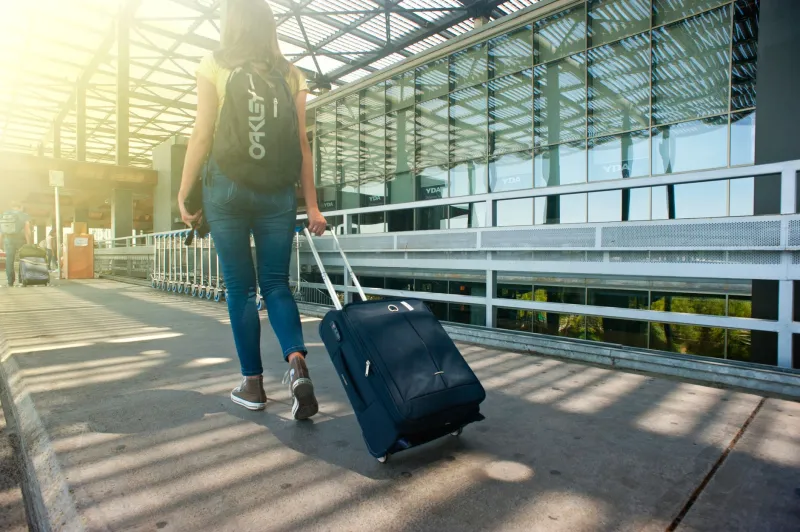
A luggage sleeve or pass-through panel. If you're rolling a carry-on, a back sleeve that slips over your suitcase handle is a game-changer. It keeps your hands free and your bag stable while you navigate the checkpoint.
Interior organization that makes visual sense. The goal is a bag that, when X-rayed, shows distinct layers and categories — not a chaotic pile. Pouches, dividers, and zippered sections all help create that readable interior.
Style Doesn't Have to Suffer
Here's the part we really want to emphasize: travel-friendly doesn't mean boring. The bag market has genuinely evolved. You can find structured backpacks in buttery leather finishes, convertible bags with architectural silhouettes, and totes with interior organization that would make a professional organizer emotional — all without looking like you raided an airport gift shop.
The best travel bags right now are the ones that understand the modern traveler wants to look intentional at the gate and move efficiently through security. Those two things aren't in conflict anymore.
So the next time you're shopping for a travel bag, run it through this mental checklist before you commit: Can I access my laptop without unpacking? Are there quick-grab exterior pockets? Is the hardware minimal enough to not slow me down? Does the interior layout make visual sense?
If the answer is yes to most of those, you've found a bag that's ready to travel as hard as you do. And that's exactly the kind of carry-more, go-further energy we're here for.