Tiny Bag, Loud Statement: How the Mini Purse Became Fashion's Biggest Flex
There's something almost absurd about paying four figures for a bag that can't fit your phone. And yet, here we are — at a cultural moment where the smaller the bag, the louder the message it sends. The micro-bag trend isn't new exactly, but it's hit a fever pitch that shows no signs of cooling down. What started as a runway provocation has become a full-blown lifestyle statement, and fashion-forward shoppers across the US are leaning in hard.
So what's actually going on here? Why would anyone voluntarily carry less?
The Counterintuitive Logic of Carrying Nothing
For decades, the bigger bag was the practical bag — and practical was aspirational. The oversized tote said I have a life, I have places to be, I have things to carry. But somewhere along the way, the calculus flipped. Now, the tiny bag signals something arguably more powerful: that you've edited your life down to only what matters.
Stylist Renee Calloway, who works with clients in New York and LA, puts it plainly. "The micro-bag is basically a flex of freedom," she says. "You're telling the world you don't need to haul everything around with you. You've got your life together enough to leave the rest behind."
There's a sociological layer to this, too. In an era of maximalism fatigue — too many notifications, too much stuff, too many decisions — the idea of paring down feels genuinely luxurious. A bag that forces you to carry only your essentials isn't a limitation. It's a filter.
What Actually Goes In There?
Okay, real talk: functioning with a micro-bag requires some advance planning. We asked a few stylists and devoted micro-bag fans how they actually make it work day-to-day.
The consensus? It's all about the edit. "I carry my phone, a card, a lip balm, and a key," says Chicago-based fashion consultant Dana Morse. "That's it. And honestly, once you train yourself to leave the rest in the car or at home, you realize how much of what you used to carry was just... clutter."
For longer outings or situations where you genuinely need more, many micro-bag devotees pair their tiny purse with a simple tote or a jacket with deep pockets. The micro-bag becomes the statement piece — the thing people see — while the functional carrying happens elsewhere. Think of it less as your only bag and more as your visible bag.
Some practical tips from the pros:
- Go digital where you can. Mobile wallet apps mean you can ditch most of your cards.
- Invest in a slim card case. It fits in a micro-bag where a bulky wallet won't.
- Decant your beauty products. A single lip gloss beats a full makeup pouch.
- Embrace the crossbody strap. Even the tiniest bags are more functional hands-free.
The Pieces Worth Talking About
If you're going to go small, go intentionally. The micro-bag market runs the full spectrum from genuinely iconic to cheaply made novelty items that won't survive a season. Here's what to look for — and a few standouts that are turning heads right now.
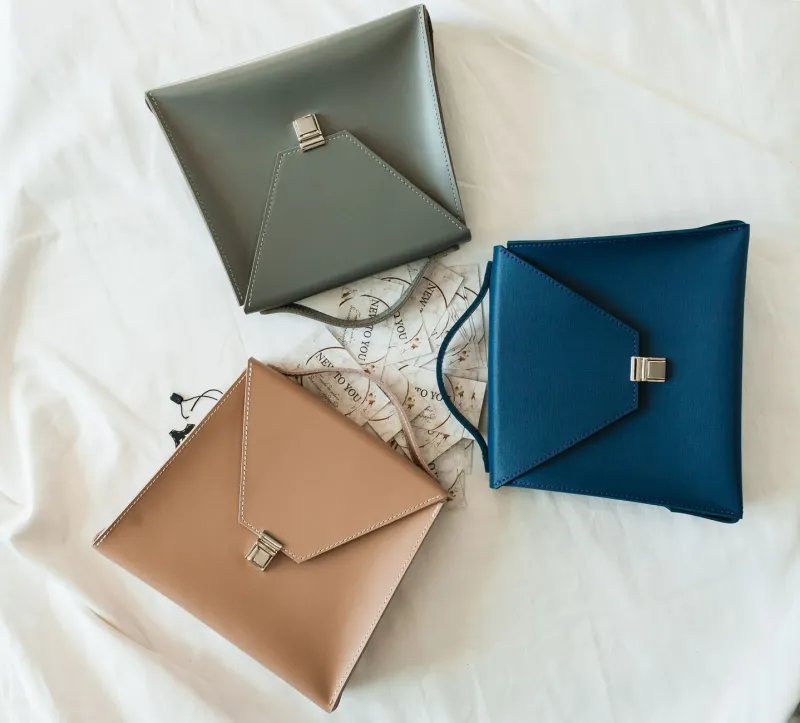
Structured minaudières are the original micro-bag, and they've never looked more relevant. A hard-sided clutch in a rich jewel tone or a sculptural metallic finish does heavy lifting in any outfit. Brands like Judith Leiber built an empire on this format, and contemporary designers have updated the concept with cleaner lines and more versatile colorways.
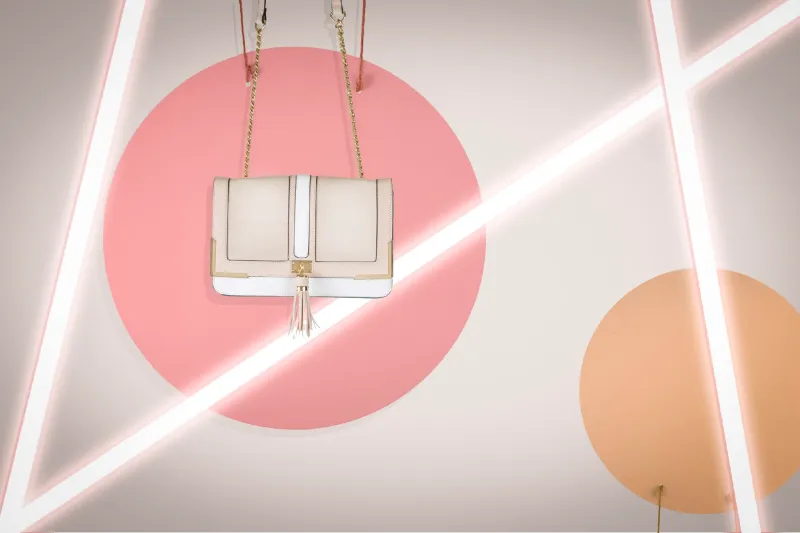
Mini crossbodies with chain straps hit the sweet spot between impractical and almost-practical. The chain strap elevates the whole look while keeping your hands free — crucial if you're navigating a city or a crowded venue. Look for versions with a small interior zip pocket; even a micro-bag benefits from a little organization.
Baguette silhouettes in miniature are having an enormous moment right now. The compact, under-the-arm shape reads as effortlessly downtown-cool and translates well from brunch to evening. In a saturated pattern or a bold solid, a mini baguette is essentially wearable art.
Micro bucket bags bring a slightly more casual energy to the format — still tiny, but with a relaxed drawstring top that makes them feel less precious. In pebbled leather or canvas with leather trim, these read as the most everyday-friendly option in the micro category.
Is It Worth the Investment?
Here's where we'll be straight with you: a micro-bag is rarely your only bag. It's a wardrobe accent — the punctuation mark on an outfit, not the full sentence. That means the investment calculus is a little different than it is for, say, a workhorse tote you're using five days a week.
That said, a well-made micro-bag in a classic shape and a neutral or seasonless color absolutely earns its place as a long-term piece. Because these bags see less daily wear and tear than functional everyday bags, they tend to age incredibly well. A structured mini clutch you bought five years ago still looks sharp today — probably sharper, honestly, because the trend has only grown.
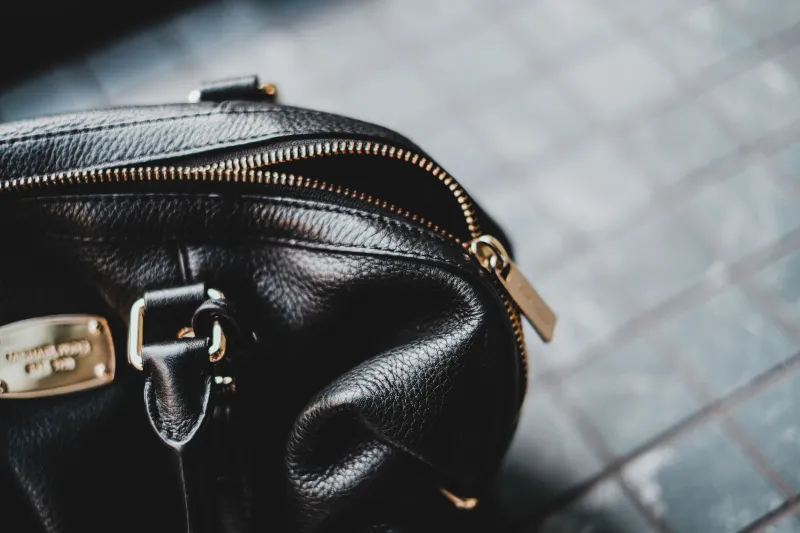
The key is buying intentionally. Skip the novelty shapes and the ultra-trendy colorways that'll feel dated in 18 months. Go for craftsmanship over gimmick. A small bag made with real attention to hardware, stitching, and material will outlast a dozen fast-fashion alternatives.
The Bottom Line
The micro-bag revolution is really a story about restraint becoming aspirational. In a culture that's been conditioned to want more, bigger, and better, choosing to carry almost nothing is a surprisingly radical move — and fashion has always been drawn to a little provocation.
You don't have to go full minimalist to appreciate what this trend is saying. Even if your everyday life requires a bigger bag (no judgment — same), there's something genuinely fun about owning one tiny, beautiful thing that exists purely to look incredible. Sometimes that's enough.