What Your Bag's Hardware Is Actually Telling You About Its Quality
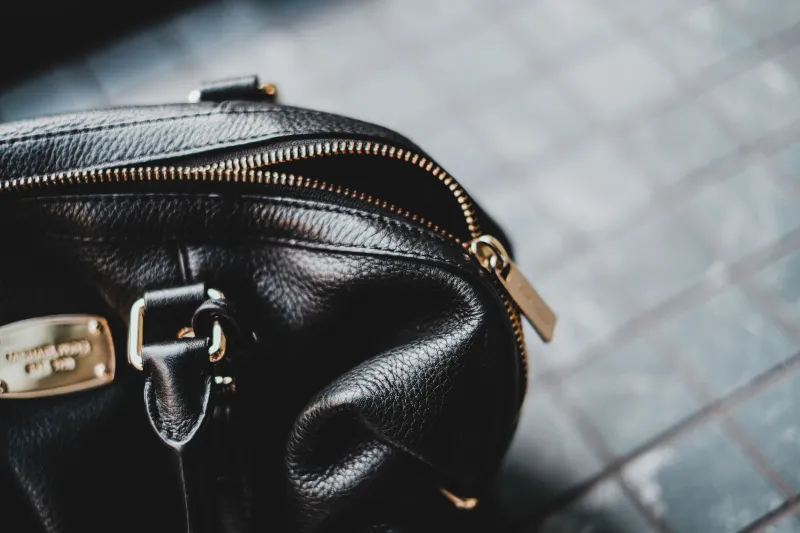
Most people buying a new bag spend the majority of their time focused on the obvious stuff: color, shape, size, maybe the interior lining. The hardware — the zippers, clasps, D-rings, buckles, and feet — barely registers as an afterthought. Which is exactly why so many bags end up in the back of the closet after a year or two, zipper broken, clasp wobbly, finish flaking off.
Here's the thing: hardware is where bags quietly live or die. It's the infrastructure. And once you know what to look for, you'll never shop for a bag the same way again.
Why Hardware Is the First Thing to Fail
Leather, canvas, and fabric are resilient. With basic care, the main body of a bag can last decades. But the metal components? They're under constant mechanical stress. Every time you zip a zipper, click a clasp, or adjust a strap, you're putting wear on those parts. Multiply that by hundreds of uses and you start to understand why cheap hardware fails long before the bag itself would.
The frustrating part is that a broken zipper or a snapped clasp often renders an otherwise fine bag completely unusable. And replacement hardware, when it's even available, can cost more than the bag originally did. This is why premium brands justify a lot of their pricing through hardware — and why it's worth paying attention before you buy.
Zipper Quality: The Single Most Important Thing to Check
You can tell an enormous amount about a bag's overall quality just by running the zipper a few times in the store or when your order arrives.
What to look for: A quality zipper should glide smoothly without catching, feel substantial in your hand, and move in a single, fluid motion. The zipper pull should be attached securely with no wobble or play at the connection point.
YKK vs. generic: YKK is the global standard for quality zippers — the brand is stamped directly on the zipper pull on most premium bags. It's not glamorous, but it's meaningful. A bag with YKK hardware is signaling that the maker cared about the internal components, not just the exterior presentation. Generic zippers with no marking are a red flag at any price point.
Metal vs. plastic teeth: Metal zipper teeth are more durable, more reliable in temperature extremes, and frankly look better. Plastic or nylon coil zippers aren't automatically bad — they're common in luggage and some backpacks where weight matters — but on a fashion bag, metal teeth indicate higher construction standards.
The pull test: Gently tug the zipper pull at an angle. A well-made zipper should resist this without the slider shifting or the teeth separating. If it opens under light lateral pressure, it'll fail fast.
Clasps, Turnlocks, and Closures: Form Meets Function
Bag closures are where hardware gets personal — these are the pieces you interact with every single time you open and close the bag. They should feel intentional, not accidental.
Turnlocks — the twist-to-open closures made famous by brands like Coach and Chanel — should rotate with firm, positive resistance and snap into place with a satisfying click. If a turnlock spins freely or wobbles in its housing, the mechanism is already compromised. On a well-made bag, the turnlock's back plate is secured through the leather with a solid backing plate, not just glued.
Magnetic closures are convenient but vary wildly in quality. A strong, well-positioned magnet snaps shut cleanly and stays shut. A weak one barely holds, and over time the constant opening and closing can crack the leather around the housing. Check that the magnet is recessed into the bag properly and that the surrounding leather shows no signs of stress or bubbling.
Push-lock clasps should require deliberate pressure to open — not so stiff that they're annoying, but with enough resistance that the bag won't spring open accidentally. Test this a few times. The action should feel consistent every time.
Metal Finishes: What Gold-Tone Actually Means
This is where a lot of confusion — and disappointment — happens. The finish on metal hardware is not the same as the metal itself, and understanding that distinction will save you a lot of frustration.
Gold-tone simply means the hardware has been coated or plated to look gold. The base metal underneath is typically brass, zinc alloy, or in cheaper cases, pot metal. Brass base hardware with gold plating is the industry standard for quality fashion bags — it's durable, holds its finish well, and has enough weight to feel substantial. Zinc alloy is acceptable in mid-tier bags. Pot metal is a quality red flag at any price.
How to spot the difference: Solid brass hardware has a warmth and density to it. It feels heavier than it looks. Pot metal hardware often has a slightly hollow feeling and may show mold seams or rough edges on the back side. On high-end bags, look at the back of hardware pieces — quality manufacturers finish both sides.
Plating thickness matters. Thin plating wears off quickly, especially on high-contact points like zipper pulls and clasp edges. Premium bags use thicker plating or PVD (physical vapor deposition) coating, which is significantly more durable. If you see a bag where the finish is already wearing near the edges in the store, walk away.
Silver-tone and gunmetal follow the same logic. Look for weight, clean edges, and consistent finish across all hardware pieces. Mismatched finishes — where some hardware looks slightly different from others on the same bag — indicate inconsistent sourcing, which is a quality control warning sign.
Bag Feet, D-Rings, and the Structural Details Nobody Talks About
The small supporting hardware often gets overlooked entirely, but it matters for longevity.
Bag feet protect the base of your bag every time you set it down. On a quality bag, feet are solid metal (not plastic), screwed or riveted through the base with backing plates on the interior, and positioned to actually support the bag's weight evenly. Feet that are just glued on will fall off within months.
D-rings and strap attachments should be set in reinforced leather tabs, not just stitched into the main body of the bag. Pull on them gently — there should be zero give in the connection point. This is where bags fail catastrophically, and it's almost always because the attachment was under-engineered.
Rivets should sit flush or with minimal protrusion, show no gaps between the rivet head and the leather, and have clean, smooth backs. Sloppy riveting indicates rushed construction throughout.
The Takeaway: Slow Down and Inspect
Shopping for bags is more fun when you actually know what you're looking at. Before you commit to any bag — whether it's $80 or $800 — take two minutes to work every zipper, click every clasp, feel the weight of the hardware, and check the back sides of the metal pieces. Those two minutes will tell you more about what you're actually buying than any product description ever will.
The brands that deserve their prices are the ones that sweat these details. And now you'll know exactly how to find them.