Stop Replacing, Start Investing: How One Great Bag Beats a Closet Full of Cheap Ones
Let's be honest: the clearance rack is hard to resist. A trendy woven tote for $28, a faux-leather mini bag in this season's hottest color for $35 — it feels like smart shopping. But ask yourself how many of those impulse buys are still in your closet two years later. If the answer is "not many," you're not alone — and you're probably spending more than you think.
The fast fashion accessory cycle is real, and it's expensive in ways that don't always show up at the register.
The Math Nobody Talks About
Cost-per-wear is one of those concepts that sounds finance-y but is genuinely useful for anyone trying to shop smarter. The formula is simple: divide what you paid for something by the number of times you actually use it.
Say you buy a $45 trendy bucket bag. You carry it through one season — maybe 30 times before the zipper gives out or it just looks dated. That's $1.50 per wear. Now consider a well-constructed leather tote at $350. Carry it three times a week for four years — a very conservative estimate for a quality piece — and you're looking at roughly $0.56 per wear. Less than a third of the cost, for something that looks better and holds its shape.
Now multiply that $45 bag by the four or five replacements you'll buy over those same four years. Suddenly the "budget" option costs $180 to $225, and you have nothing to show for it except a pile of broken hardware and faded straps.
What Style Editors Actually Carry
We talked to a few people who spend their careers thinking about this stuff, and the consensus was pretty clear: the pieces they reach for every single day aren't the ones that made headlines during Fashion Week. They're the quiet workhorses — the structured leather totes, the classic canvas weekenders, the simple crossbodies that have been riding shotgun through every life chapter.
"I stopped chasing trends in my accessories about five years ago," said one accessories editor based in New York. "My bag collection got smaller and way more intentional. I carry one of maybe three bags on rotation, and every single one of them was a considered purchase. That shift changed how I shop for everything."
Another stylist we spoke with put it more bluntly: "Fast fashion bags are designed to fall apart. The whole business model depends on you buying another one. Once you understand that, it's hard to unsee it."
How to Tell If Something Is Worth the Splurge
Not everything expensive is worth it, and not every investment piece needs to be a luxury label. Here's a practical framework for deciding when to spend more:
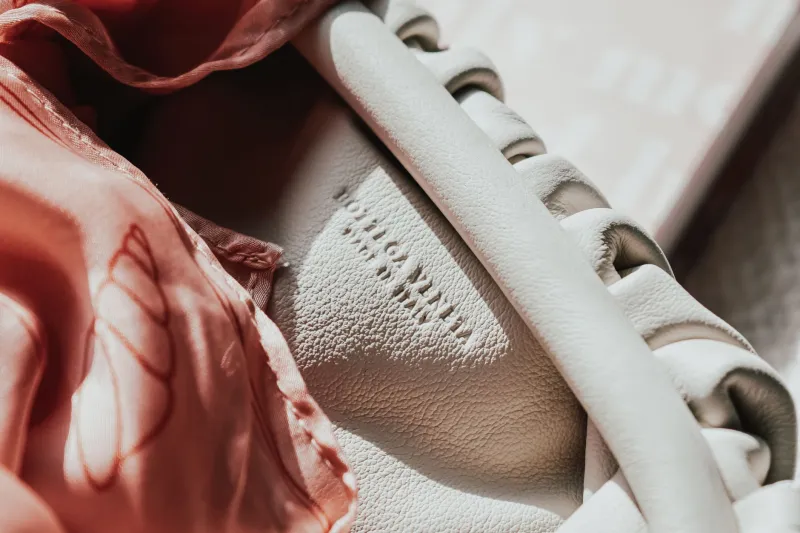
Look at the hardware. Zippers, clasps, and rings are where bags die first. Solid brass or nickel hardware that feels weighty in your hand is a good sign. Lightweight, hollow-feeling metal or plastic hardware is not.
Check the stitching. Turn the bag inside out if you can. Even, tight stitching with no loose threads or fraying edges indicates quality construction. Uneven or skipped stitches are a red flag regardless of the price tag.
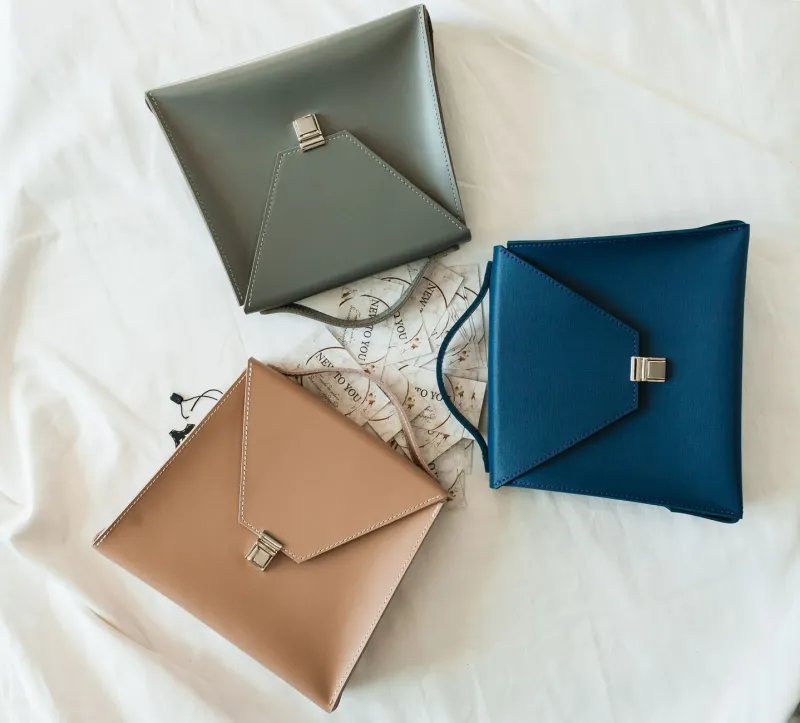
Consider the silhouette. Structured, clean shapes tend to outlast anything with a lot of decorative detailing tied to a specific trend. A good bucket bag, tote, or saddle shape has been relevant for decades. The bag with the chunky chain and the logo-covered flap? It has a shorter shelf life.
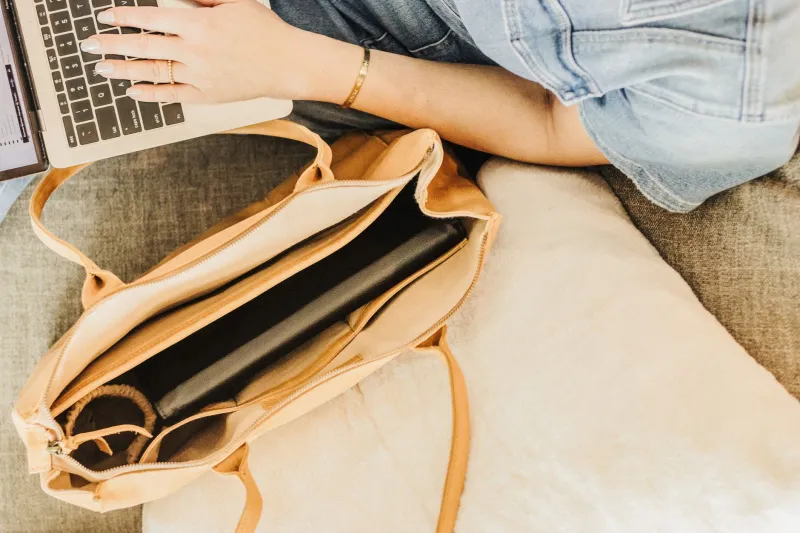
Think about versatility. A bag that works with your everyday wardrobe — not just the one outfit you had in mind when you bought it — earns its keep much faster. Neutral colors and adaptable proportions go a long way.
Research the brand's repair policy. Some makers will resole, restitch, or recondition their products. That's not just a nice perk — it's a signal about how they think about longevity.
When It's Okay to Go Cheap
Investment-piece thinking doesn't mean you can never buy something fun and inexpensive. There are categories where spending less makes total sense.
Trend-specific pieces with a clear expiration date — the micro bag in an unusual color, the beaded evening clutch you'll carry twice a year — don't need to be built to last. If you know going in that something is a short-term addition to your wardrobe, spending less is the rational call.
Same goes for highly specific-use bags where you genuinely don't know yet if you'll need them regularly. A gym duffel, a beach tote, a hiking daypack — if you're just testing whether you'll actually use it, buy something affordable first. Upgrade when you know it'll get real mileage.
The Sustainability Angle
Beyond your wallet, there's the bigger picture. The accessories industry generates a staggering amount of waste — synthetic materials that won't biodegrade, dyes that leach into water systems, and mountains of discarded bags that never make it to a secondhand shop because they're too worn out to resell.
Buying less and buying better is one of the most direct ways an individual shopper can reduce their footprint. A bag that lasts ten years instead of one year is nine fewer bags in a landfill. It's also nine fewer manufacturing cycles, nine fewer shipping runs, nine fewer sets of packaging.
This isn't about guilt — it's about recognizing that the most sustainable thing you can own is something you already have and actually love.
The Bottom Line
Building a bag collection around investment pieces isn't about being flashy or spending money for the sake of it. It's about being strategic — choosing things that work harder, last longer, and genuinely make you feel good every time you pick them up.
The goal isn't a closet full of expensive bags. It's a smaller, smarter collection where everything earns its spot. Carry more intention, go further on your budget, look better doing it. That's the whole idea.