The Interior of Your Bag Is Either Working For You or Against You — Here's How to Tell
You've been there. You're at the airport security line, shoes already off, laptop halfway out, and your boarding pass is somewhere in the void of your bag. You dig. You panic. You hold up the line. The person behind you sighs loudly enough to make it personal.
Here's the thing: that moment wasn't your fault. It was your bag's fault.
The exterior of a bag gets all the attention — the leather, the hardware, the silhouette. But the interior architecture? That's where your actual life happens. And most shoppers don't think about it until they're already three months into a frustrating relationship with a bag they can't return.
Let's fix that.
The "One Big Cave" Problem
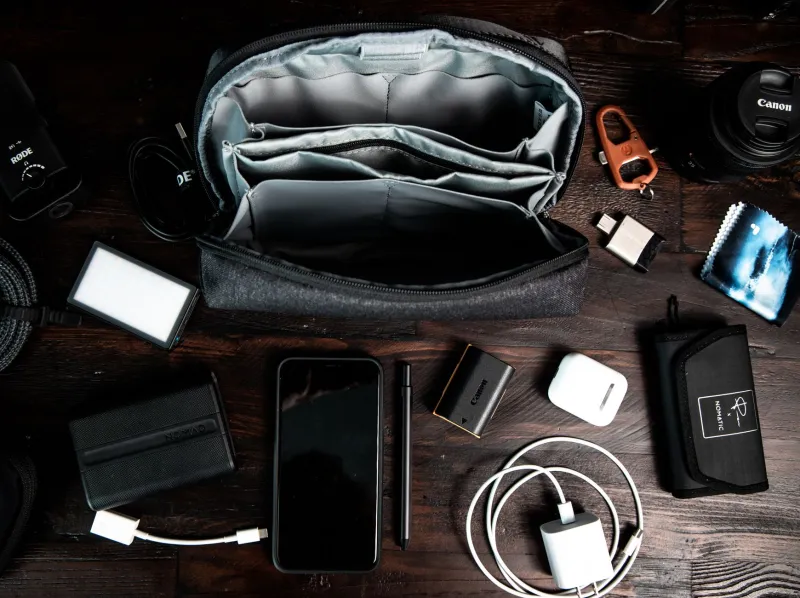
The most common interior design failure in bags is also the most obvious: a single large compartment with no real organization system. Brands do this because it's cheap to manufacture and photographs well. A clean, empty interior looks luxurious in product shots. In real life, it becomes a black hole where your lip balm, your keys, your AirPods case, and your phone all coexist in chaos.
The issue isn't just inconvenience — it's stress. Research on cognitive load suggests that having to search for items repeatedly throughout the day creates low-level but cumulative mental fatigue. Your brain is burning energy on something that good design could eliminate entirely.
A bag with intentional pocket placement removes that friction. When your phone always goes in the same slip pocket and your transit card lives in a dedicated exterior slot, you stop thinking about where things are. That's the goal.
What Good Pocket Design Actually Looks Like
Not all pockets are created equal. Here's a breakdown of what actually matters:
Depth and proportion. A pocket that's too shallow will let items slide out the moment you tilt the bag. A pocket that's too deep becomes another mini-abyss. The sweet spot for a phone pocket, for example, is deep enough to hold a large smartphone securely but shallow enough that you can retrieve it with one hand without fishing around.
Placement relative to the opening. Interior pockets positioned near the top of the bag are dramatically more accessible than those sitting at the bottom. Sounds obvious, but plenty of bags bury their pockets in the lower third of the interior, which means you're essentially doing a squat every time you need a pen.
Zipper vs. slip vs. snap. Each closure type has a use case. Zip pockets are secure and great for valuables — cash, cards, your passport. Slip pockets are faster to access and work well for items you grab constantly, like your phone or sunglasses. Snap or magnetic closures sit in the middle: more secure than open slip pockets, faster than zippers. A well-designed bag uses all three strategically rather than defaulting to one type throughout.
Pocket material. This one gets overlooked almost entirely. The fabric lining a pocket affects how easily items slide in and out, how much noise they make, and even how well the pocket holds its shape over time. A smooth, tightly woven lining lets your hand move quickly. A rough or overly textured lining creates drag. Suede-lined pockets look gorgeous but can snag on delicate items. It's worth running your hand along the interior of a bag before purchasing — if it's available in-store — or checking reviewer comments specifically about the lining.
The Scenarios Where Poor Interior Design Really Costs You
Let's make this concrete. Here are three everyday situations where bad pocket architecture turns a normal moment into an annoying one:
Commuting. You're on the subway or bus, standing, holding a rail. You need your phone. If your bag requires two hands to open and then another thirty seconds of digging, you've missed your stop-notification, your podcast has buffered, or you've just had to awkwardly maneuver while people stare. A side exterior pocket or a top-access slip pocket changes everything here.
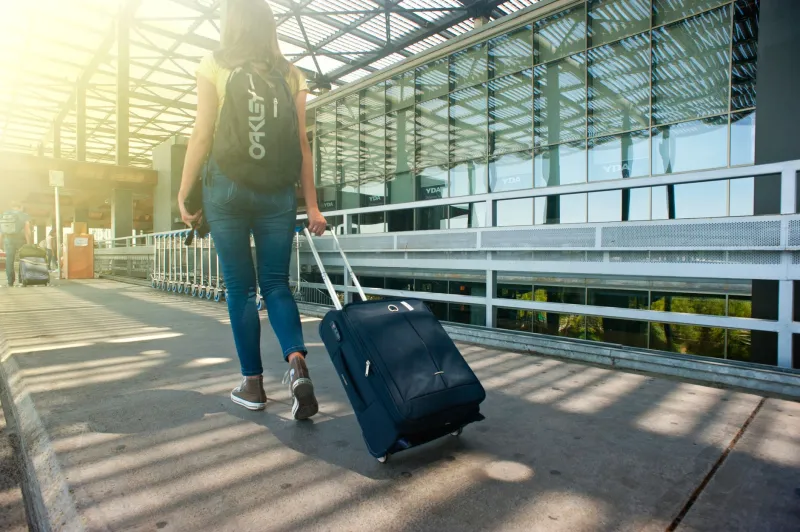
Traveling. At customs or TSA, you need your ID and boarding pass fast and repeatedly. A dedicated document pocket — ideally with a zipper, placed near the top or in an exterior panel — is the difference between breezing through and creating a small disaster. If your bag doesn't have one, you'll improvise (usually badly) and develop a habit of just leaving your passport loose in the main compartment, which is its own kind of anxiety.
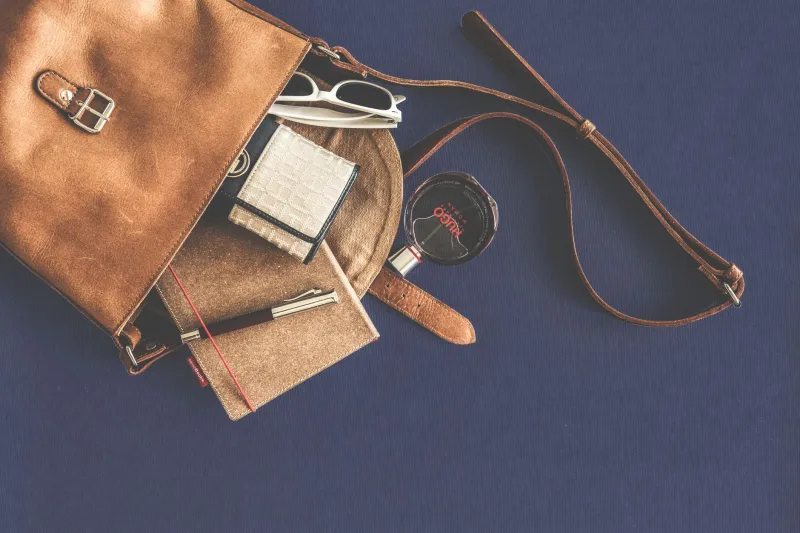
Going out. You've switched from your work tote to a smaller evening bag and you've stuffed it with the essentials. If that bag has no structure inside, your lipstick ends up at the bottom, your card is somewhere under your phone, and you're doing the full archaeology dig at the bar while your friend waits. A compact bag with two or three intentional pockets outperforms a larger one with none.
How to Actually Evaluate a Bag's Interior Before You Buy
If you're shopping in person, don't just look at the interior — simulate using it. Put your actual phone in the phone pocket. Zip and unzip the inner compartment with one hand. Check whether you can see into the bag easily when it's open, or whether the opening is too narrow. Notice whether the pockets feel like they were placed with purpose or just added as an afterthought.
If you're shopping online (which, let's be honest, is most of us most of the time), here's your research checklist:
- Look for interior shots in the product gallery, not just exterior angles. If a brand doesn't show the inside, that's worth noting.
- Search for video reviews on YouTube — content creators almost always do an interior walkthrough that product pages skip.
- Filter reviews specifically for terms like "organization," "pockets," or "fit" to surface comments about interior layout.
- Check the brand's product description for pocket counts and placement descriptions. Vague language like "interior pockets" without specifics is a mild red flag.
The Bags That Get It Right
Without getting into a full product roundup (that's a separate conversation), the brands that consistently earn loyalty from organized, efficiency-minded shoppers tend to share one trait: they clearly designed their interiors with actual use cases in mind rather than treating the inside as an afterthought to a pretty exterior.
Look for bags described by their makers with terms like "laptop sleeve," "key clip," "RFID-blocking pocket," or "trolley sleeve" — these are signals that someone on the design team was thinking about how the bag gets used in the real world, not just how it photographs.
Your Bag Should Do Some of the Work
A great bag doesn't just carry your stuff — it manages it. The interior is where that management either happens or doesn't. When the design is right, you stop thinking about your bag entirely. It just works. You reach for things and they're there. You move faster, feel less scattered, and arrive wherever you're going with a little more energy intact.
That's not a small thing. That's your whole day, every day.
So the next time you're evaluating a new bag, flip it open before you fall in love with the outside. What's happening in there might be the most important thing about it.