Dust Off That Closet: The Bags You Shelved Are Suddenly the Coolest Thing You Own
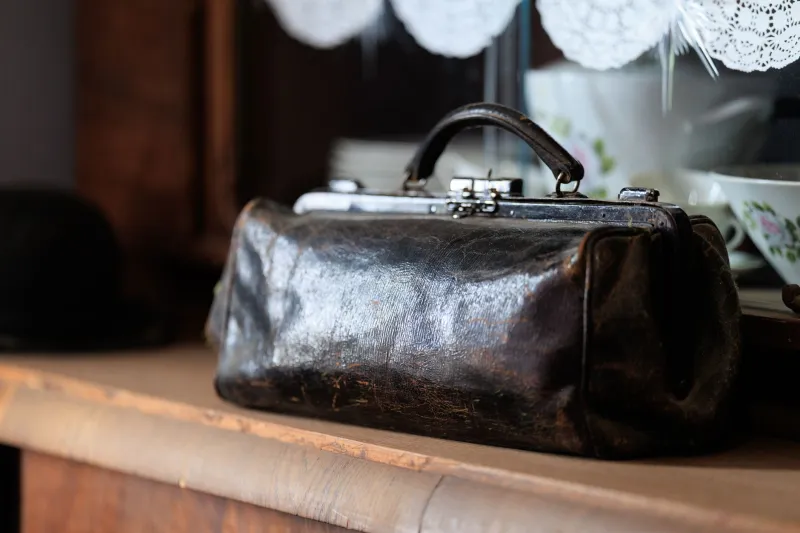
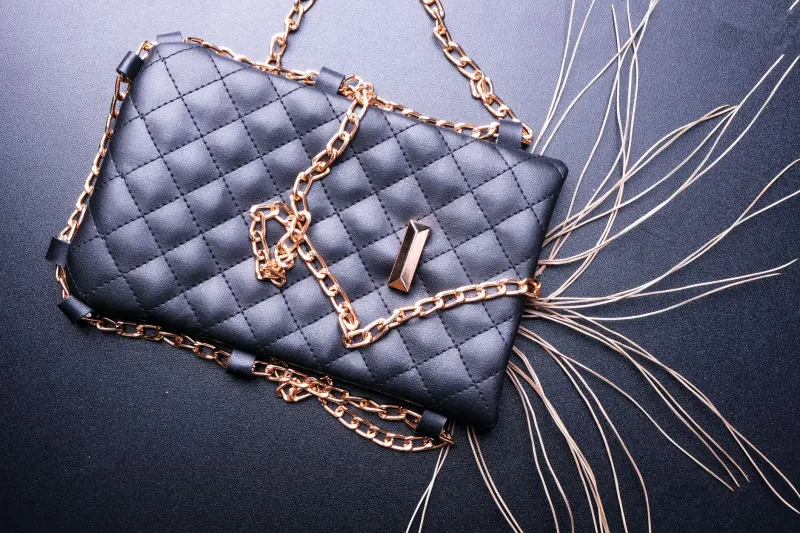
There's a very specific kind of fashion regret that hits when you see someone on the street carrying the exact bag you donated three years ago — and it looks incredible. Maybe it was a structured top-handle satchel, a quilted chain-strap flap, or one of those boxy mini bags you thought had run its course. Whatever it was, the feeling is the same: you gave up too soon.
Bag trends move in cycles, and those cycles are getting faster and more unpredictable. What felt stale in 2019 can feel genuinely fresh in 2024. The good news? If you held onto anything from the past five to seven years — or even further back — there's a real chance it's sitting on the edge of a comeback. The better news: you don't need to spend a dime to get back in the game.
Why Trends Come Back (And Why Bags Are Especially Prone to It)
Fashion historians have a phrase for it: the twenty-year rule. The idea is that styles tend to resurface roughly two decades after their original peak, once the generation that grew up seeing them has enough distance to view them with fresh eyes rather than tired ones. But bags tend to cycle faster than clothing, partly because they're accessories — lower-stakes, easier to experiment with — and partly because the fashion industry actively mines its own archives for inspiration every few seasons.
When a major house revisits an archival silhouette, it sends a signal to the broader market. Suddenly, structured frames feel relevant again. Crescent shapes reappear. Baguettes — famously revived once already thanks to a certain HBO show — find a whole new audience who wasn't watching the first time around.
The result is that bags from five, seven, even ten years ago aren't necessarily dated. They might just be early.
How to Tell the Difference Between a Comeback and a Dead End
Not every bag in your closet is a hidden gem, and part of being a smart shopper is knowing which pieces are worth reviving versus which ones are genuinely done. Here's a quick gut-check framework:
Look at the silhouette, not the details. Trends in shape tend to be more durable than trends in surface treatment. A bag with a timeless structured frame but dated logo hardware might be worth keeping. A bag with an awkward proportional shape that was very specific to one moment? Harder to rehabilitate.
Ask whether it was ever actually good quality. A bag that's held up physically over years of storage is telling you something. If the leather still feels supple, the stitching is intact, and the hardware hasn't completely corroded, you have something to work with. If it's falling apart at the seams, it probably wasn't built to last — and no amount of styling will fix that.
Check what's moving on resale platforms. Sites like Vestiaire Collective, The RealReal, and even Depop are surprisingly useful trend barometers. If you're seeing a style similar to yours selling at strong prices, that's a market signal. If it's sitting unsold at a steep discount, the appetite probably isn't there yet — or at all.
Consider whether it fits your current life. A bag can be objectively back in style and still be wrong for you right now. If the proportions don't work for how you carry, or it doesn't function for your actual daily needs, a trend revival isn't a good enough reason to force it.
Modernizing Older Pieces Without Losing What Makes Them Special
Assume you've identified a bag worth bringing back. The question becomes: how do you wear it now without looking like you're stuck in a time capsule?
Contrast it with contemporary pieces. The easiest way to make an older bag feel current is to surround it with things that are undeniably right now. A structured 2018-era top-handle bag looks fresh when it's carried with wide-leg trousers and a simple fitted tee — not because the bag changed, but because the context did.
Consider a hardware refresh. This is underused and genuinely transformative. A number of boutique bag restoration services — including shops in most major US cities and several reputable online providers — can swap out dated gold-tone hardware for brushed silver or antique brass, which reads as much more current. It's not cheap, typically running $75–$200 depending on the piece, but it can completely change the energy of a bag without altering its fundamental character.
Get it professionally cleaned and conditioned. Leather that's been sitting in a closet tends to look a little dull, and dull reads as old even when the style is right. A proper conditioning treatment — something you can do at home with a quality leather conditioner, or have done professionally — brings back the depth and suppleness that made the bag appealing in the first place. It's the bag equivalent of a fresh haircut before a big event.
Re-examine the strap situation. Interchangeable straps have become increasingly common, and they're a surprisingly affordable way to update a bag's vibe. A crossbody strap in a natural woven material on a structured leather bag, for example, creates a contrast that feels intentional and modern. Chain straps can be swapped for leather ones and vice versa. The bag stays the same; the attitude shifts.
The Specific Styles Worth Hunting For Right Now
If you're scanning your shelves (or your mother's, or your college roommate's) for candidates, a few silhouettes are particularly well-positioned at the moment:
- Structured top-handle bags with minimal branding are having a serious moment, particularly in neutral leathers and rich jewel tones.
- Boxy mini bags — the kind that felt almost too small to be practical — are back and being carried with exactly the same impracticality as before, which is apparently the point.
- Woven and rattan styles that peaked during a certain cottagecore wave are finding new life in more elevated, travel-forward contexts.
- Belted and buckled bags with utilitarian hardware are riding the ongoing wave of functional-meets-fashionable dressing.
The Sustainability Angle You're Probably Not Thinking About
Here's the part that doesn't get said enough: reviving a bag you already own is genuinely one of the most sustainable choices you can make as a fashion consumer. The resources that went into producing that bag — the leather, the labor, the hardware, the shipping — already exist. When you bring it back into rotation, you're getting full value out of that investment rather than adding to the demand cycle that produces more bags at a cost to the environment.
It also means you're not spending money, which is its own kind of win.
Fashion has always recycled itself. The difference now is that the cycle is fast enough that you might actually be holding the next big thing in your own storage unit. Before you go shopping for something new, it's worth taking twenty minutes to see what you've already got. You might be surprised what's waiting for you.