Your Bag Is Keeping Score: What Scuffs, Sags, and Stains Say About Your Real Life
Here's a thought experiment: pick up your most-used bag and really look at it. Not a quick glance — actually look. Where's the leather darkened? Which corner took the most hits? Is the strap stretched out on one side? Does the lining have a permanent phantom shape from whatever you carry every single day?
What you're looking at isn't damage. It's data.
Every scuff, every soft spot, every worn edge is your bag's way of documenting your actual life — not the curated version you imagined when you bought it. And if you know how to read those patterns, you'll never again waste money on a bag that looks great on the shelf but falls apart against your real routine.
The Bottom Sag: You're a Carry-Everything Person
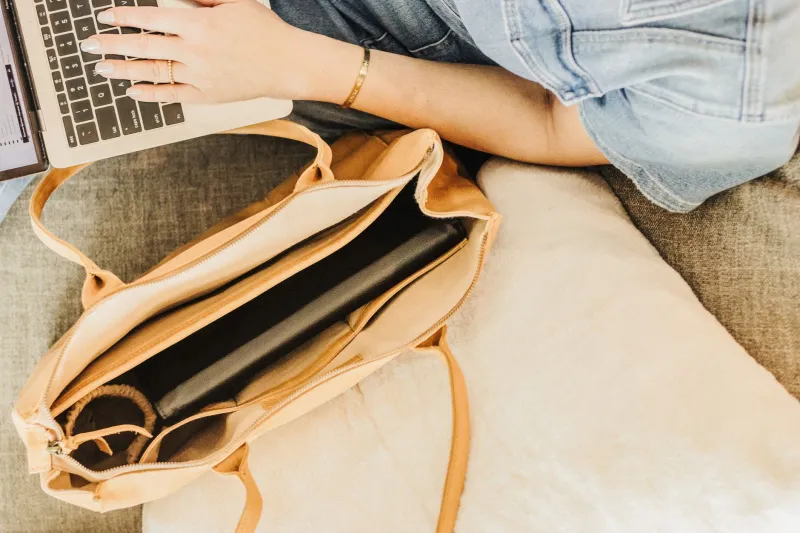
If the base of your bag has softened into a kind of permanent droop — especially on structured styles like satchels or top-handle bags — congratulations, you're officially an overpacker. Not in the suitcase sense, but in the daily-life sense. Water bottle, laptop, charger, snacks, a book you've been meaning to start, three lip balms. Sound familiar?
A saggy base on a bag that was originally structured tells you something important: the bag wasn't built for what you're actually putting it through. Bags designed for heavy loads need internal structure — a flat bottom board, reinforced stitching at the base corners, or a frame that holds its shape under pressure. If your current bag is losing the battle, your next one should be a workhorse style with visible structural support, not just a pretty silhouette.
Canvas totes with saggy bases are telling you the same thing — except here the fix is simpler. You need a bag with a wider, reinforced bottom panel, or honestly, you need to stop carrying your entire life in a bag that was designed for a farmers market run.
The Dark Strap: You're Always on the Move
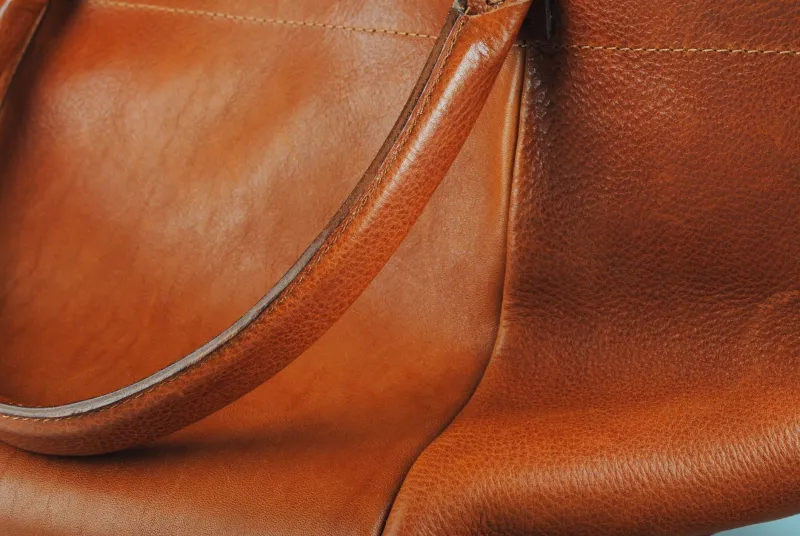
Leather straps that have darkened significantly — especially in the center where your hand grips — are the mark of someone who walks a lot and carries constantly. This is actually a beautiful kind of wear if you're into it. That darkening is called a patina, and on quality vegetable-tanned leather, it's considered a feature, not a flaw.
But if the darkening is paired with cracking or flaking? That's a different story. That's a synthetic or bonded leather that wasn't built to handle the oils and friction of real daily use. It's a clear sign your next bag needs genuine leather or a high-quality coated canvas if you're this active.
For crossbody wearers specifically: if one side of the strap is more worn than the other, you've got a dominant shoulder — which is normal. But it also means you should look for bags with adjustable, padded straps. Your body will thank you.
The Scuffed Corners: You're a Desk-to-Dinner Type
Corner wear is the universal badge of someone who moves between environments constantly. Office floors, subway seats, restaurant chairs, the back of an Uber — if you're setting your bag down on a variety of surfaces multiple times a day, those corners are taking the hit.
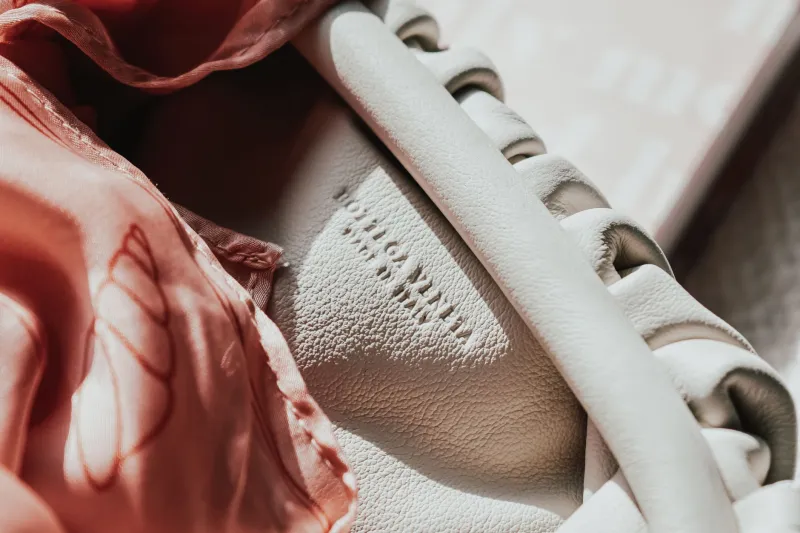
This is particularly brutal on smooth leather in light colors. Blush pink and cream bags look stunning in photos and genuinely terrible after three months of real New York or Chicago winters. If your wear pattern shows heavy corner damage, you have two options: embrace darker colorways or textured leathers that hide scuffs naturally, or invest in a bag with metal feet on the base (an underrated feature that dramatically extends a bag's life).
Brass or gunmetal feet aren't just a luxury detail — for people who live out of their bags all day, they're practically a necessity.
The Stretched Zipper Pull: You're a Dig-and-Dash Person
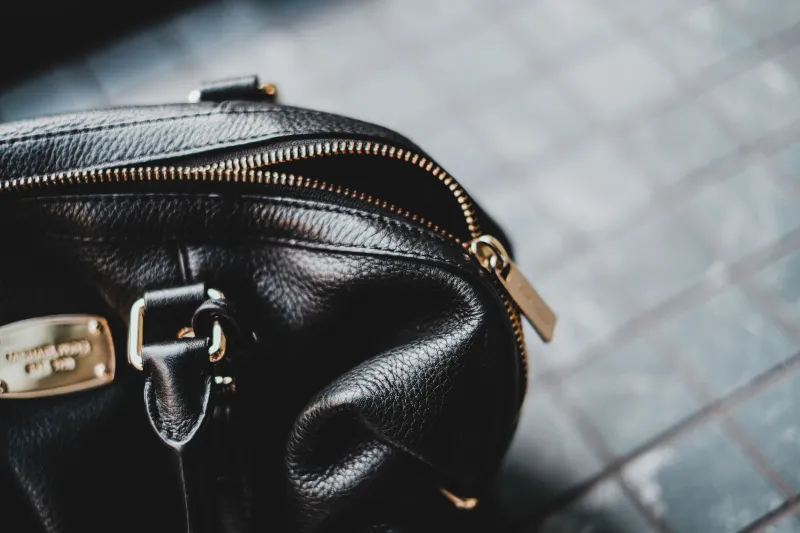
If your zipper pull is bent sideways, the teeth are slightly misaligned, or the pull itself has stretched out, you're someone who opens and closes their bag constantly and usually in a hurry. You're reaching in mid-stride, grabbing things without stopping, and generally treating your bag as a live-access storage unit rather than something you set down and open thoughtfully.
This is completely valid — it's just a lifestyle that demands specific hardware. YKK zippers (look for the stamp on the pull) are the gold standard for durability under this kind of use. Wide zipper openings are your friend. Magnetic closures, on the other hand, are probably not — they're great for occasional access but they wear out faster under constant, rushed use.
The Faded Interior Lining: You're a Sunlight Chaser
A faded or discolored lining is almost always the result of UV exposure — meaning your bag spends a lot of time in sunlight. Car dashboards, outdoor lunches, beach days, rooftop events. If this is your wear pattern, you already know you're someone who lives outdoors, or at least adjacent to it.
The practical takeaway: light-colored linings fade and show staining faster than dark ones. If your lifestyle puts your bag in the sun regularly, look for bags with darker interior linings, or consider treating light-colored bags with UV-protective sprays before they take their first hit.
Using Wear as a Shopping Tool
Here's the real point of all this forensic analysis: your worn bag is the most accurate brief you'll ever give yourself when shopping for a new one. It's easy to buy a bag based on who you want to be — the person who keeps everything perfectly organized, who never overstuffs, who always sets their bag down gently on clean surfaces. But your wear patterns tell you who you actually are.
And that person deserves a bag built for them.
Before your next purchase, spend five minutes auditing your current bag. Where did it fail? What held up surprisingly well? What do you wish it had done differently? That audit is worth more than any style guide, because it's built entirely on your real data.
Buy for the life you live. Your bag — and your budget — will last a lot longer for it.