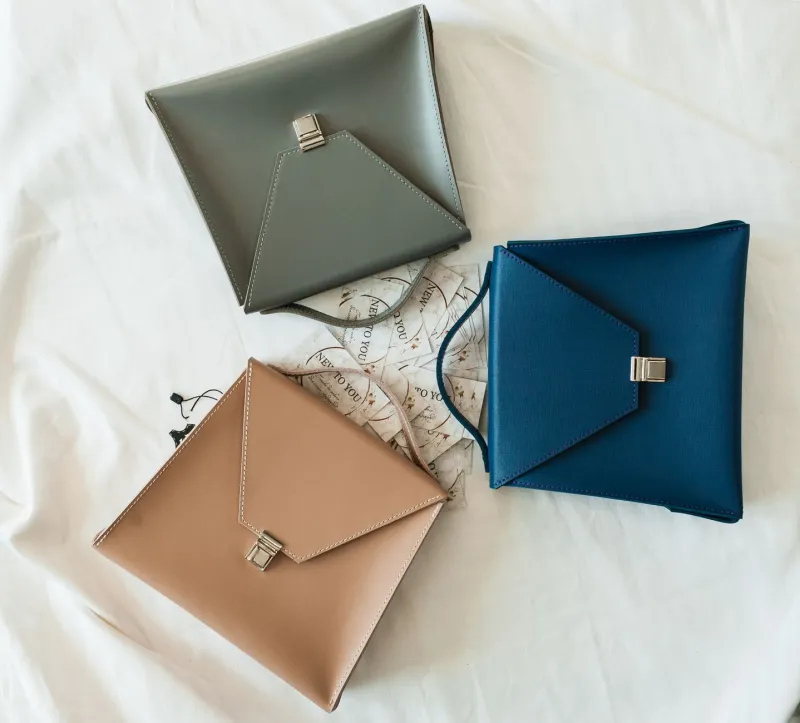
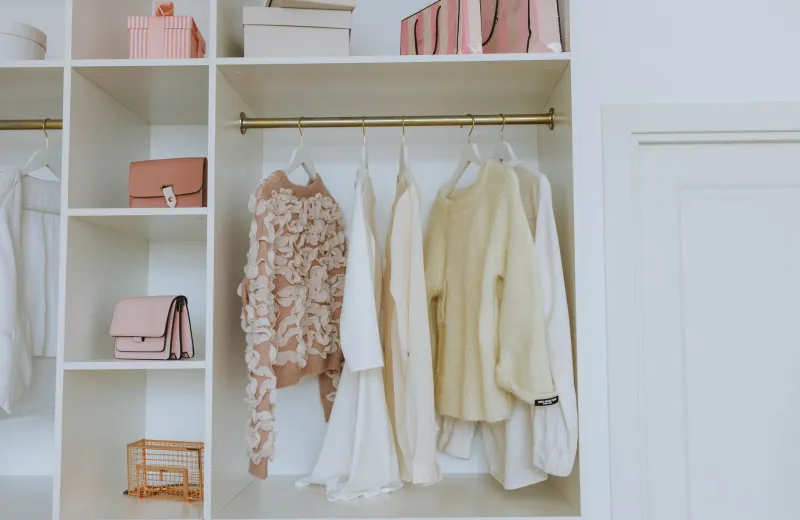
Before You Buy: Why the Best Bag Might Already Be in Your Closet
There's a particular kind of itch that happens around spring, or after a big life change, or honestly just after a slow Tuesday spent scrolling through new arrivals. You want a new bag. The pull is real, it's familiar, and most of the time, it wins.
But here's a question worth sitting with before you tap "add to cart": when did you last actually look at the bags you already own?
Not a quick glance. A real look. Because if your experience is anything like the average American shopper's, there's a solid chance you have at least one — probably two or three — bags sitting in your closet that you genuinely forgot about, slowly gathering dust while you've been out here chasing novelty.
So let's talk about the comeback bag. The one that's already yours.
Why We Stop Carrying Bags We Still Love
The psychology behind bag abandonment is surprisingly predictable. You buy something exciting, you carry it constantly, and then — through sheer repetition — it stops feeling special. Psychologists call this hedonic adaptation: the way novelty fades as familiarity sets in. It's the same reason a new apartment feels thrilling for three weeks and ordinary by month two.
The bag didn't change. You did. And that's actually good news, because it means the bag still has everything it had when you loved it. The shape, the quality, the way it sits on your shoulder — none of that went anywhere. What evaporated was just the newness. And newness, it turns out, is something you can manufacture without spending a dime.
There's also the lifestyle drift factor. You bought that structured tote when you were commuting to an office five days a week. Then remote work happened, your schedule shifted, and suddenly it felt wrong without you ever consciously deciding to retire it. It's not that the bag failed you. It's that your life moved and the bag stayed put.
The Hidden Financial Case for Looking Backward
Let's get practical for a second. The average mid-range bag in the US runs anywhere from $150 to $400. A quality leather piece can easily top $600. If you've got three or four bags sitting unused, you're looking at potentially $1,000 or more in untapped value — bags that already fit your style, already match your wardrobe, and already know how to hold your stuff.
Buying new doesn't just cost money upfront. It costs the mental overhead of breaking something in, the time spent figuring out its quirks, and the very real possibility that in six months, it'll join the same shelf as the others.
Revisiting an old favorite, on the other hand, is basically free. And when it works — when you pull out that cognac leather crossbody you haven't touched since a trip to Austin two years ago and realize it goes with literally everything you own now — it feels better than a purchase. It feels like found money.
How to Actually Give an Old Bag a Second Life
Reintroducing a neglected bag into your regular rotation isn't about forcing yourself to use something you hate. It's about creating the right conditions for rediscovery.
Start with a proper clean. Seriously. Half the reason bags feel tired is because they look it. A good wipe-down, a leather conditioner if applicable, and a few minutes with a lint roller can transform how a bag reads. You might be surprised how much life is still in there.
Style it differently. That slouchy hobo bag you wrote off as too casual? Try it with a blazer and trousers. The structured work bag that felt too corporate? Throw it over a weekend outfit. Context changes everything, and sometimes a bag just needs a new visual partner to show what it's actually capable of.
Swap out the inserts and organizers. If your bag always felt chaotic inside, that's a systems problem, not a bag problem. A new insert or a small pouch reorganization can completely change how a bag functions on a daily basis — and how much you actually want to reach for it.
Give it a dedicated purpose. Sometimes bags get lost in the rotation because they don't have a clear job. Designate your old structured tote as your gym-to-office bag. Make that vintage mini your weekend-only piece. Specificity creates appreciation.
When Rediscovery Has Limits
None of this is to say you should never buy a new bag. That would be a strange thing for a bag website to argue, and also just not true. Sometimes you genuinely do need something different — a function your current collection can't cover, a style that reflects where you are now in a way your older pieces simply don't.
But there's a difference between buying because you need and buying because you're bored. The former is a great reason to shop. The latter is how you end up with a closet full of bags you cycle through on autopilot without really loving any of them.
The smartest shoppers we know do a full closet audit before they buy anything new. They ask: Is there something here that could do this job with a little effort? Sometimes the answer is no. But more often than not, the answer is sitting on the second shelf, slightly dusty, waiting to be remembered.
The Comeback Is the Move
Fashion runs on newness. That's the whole engine. But style — real, personal, considered style — runs on knowing what works for you and committing to it. Your old bags carry something a new purchase never can: actual history with your life. They've been places. They've held your things on the days that mattered.
That's not nothing. In fact, for the right person at the right moment, it's everything.
So before you shop, go look at what you've got. You might find your next favorite bag is already home.