Every Bag Deserves Its Season: How a Simple Rotation System Will Change the Way You Carry
Let's be honest: most of us own more bags than we actually carry. There's the tote you swore would be your everyday workhorse, the structured satchel you bought for a work trip and never touched again, and at least one impulse purchase living in a dust bag at the back of your closet, quietly judging you.
The problem isn't that you bought too many bags. The problem is that without a system, even a well-curated collection collapses into chaos. You default to the same two or three bags on autopilot, the rest get forgotten, and money you actually spent just... sits there. A seasonal bag rotation fixes all of that — and it's a lot simpler to set up than it sounds.
What a Rotation Actually Does for You
Think of it less like a chore and more like a wardrobe refresh you do four times a year. The idea is straightforward: instead of keeping your entire collection accessible at once (which paradoxically makes it harder to choose), you curate a smaller active lineup for each season and cycle the rest into storage.
The benefits stack up fast. Decision fatigue drops because you're choosing from five bags, not fifteen. Each piece in your active rotation gets real use, which means you actually notice when something isn't working. Bags that aren't being carried stay protected, which extends their lifespan. And when you pull something out of storage after a few months away, it genuinely feels new again — which is basically a free shopping hit.
Step One: The Full Audit
Before you can build a rotation, you need to know what you're working with. Pull everything out. Yes, everything — the travel pouches, the clutches, the gym bag you keep meaning to replace. Lay it all out on a bed or floor and take stock.
For each bag, ask yourself three questions:
- When did I last carry this? Be honest. If you can't remember, that's data.
- Does it still fit my life? A bag that worked for a different job, city, or phase of life might not be earning its space anymore.
- Is it in good condition? Bags that need repair shouldn't be sitting in rotation — they should be on a to-do list or out the door.
Anything that fails all three questions is a candidate for donation, resale, or a serious conversation with yourself. The goal here isn't to guilt you into purging — it's to make sure every bag you keep is one you actually want.
Step Two: Build Your Seasonal Lineup
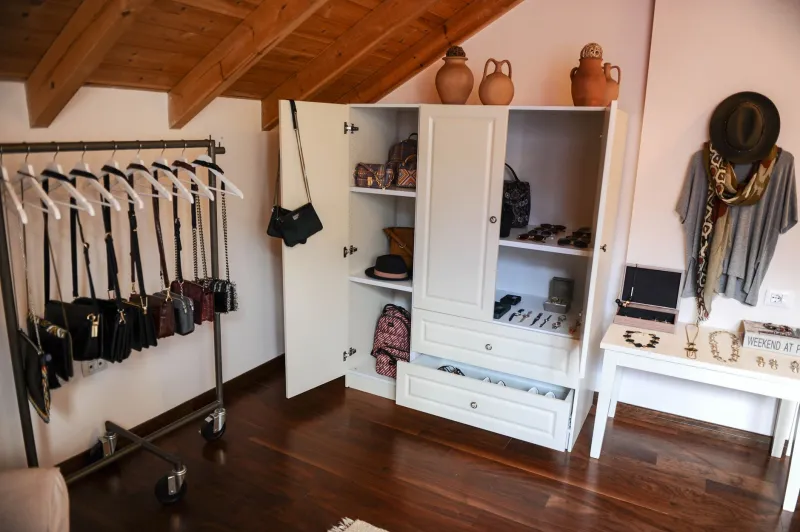
Once you know what you own, divide it into two buckets: active and stored. Your active rotation is what lives in your closet, accessible and ready. Your stored collection is everything else, packed away properly (dust bags, stuffed to hold shape, in a cool dry spot).
A good active rotation typically includes:
- 1-2 everyday bags — your go-to tote, crossbody, or shoulder bag depending on your lifestyle
- 1 occasion or evening bag — for dinners, events, or anything that requires a step up
- 1 functional carry — a backpack, belt bag, or weekender for errands, travel, or active days
That's roughly four to five bags in active use at any given time. Everything else rotates in when the season changes.
What counts as a season shift? Think of the obvious ones — summer into fall, fall into winter — but also consider your personal calendar. If you travel heavily in Q1 or your office dress code loosens up every summer, those are rotation triggers too.
How It Looks Across Different Lifestyles
A rotation system isn't one-size-fits-all. Here's how it might shake out depending on how you actually live:
The Corporate Commuter: Your active rotation probably leans structured — a laptop tote or sleek work bag as the anchor, a compact crossbody for lunch or after-work plans, and one polished evening clutch. In winter, you might swap a boxy leather tote for a softer, more insulated carryall. Summer could bring in something lighter with more open organization.
The Creative Freelancer: You need versatility more than formality. Your rotation might center on a roomy tote that doubles as a studio bag, a mini bag for coffee shop days when you're traveling light, and a reliable backpack for client meetings or market days. Seasonal swaps might be more about color and texture than function — a woven bucket bag in spring, something richer and darker come October.
The Frequent Traveler: Your rotation is practically built around trip cycles. A solid carry-on-friendly tote, a crossbody that clears airport security without drama, and a packable daypack for wherever you land. Off-travel months are when the more delicate or occasion-specific pieces come out to play — the bags that don't survive the overhead bin.
The Tracker That Makes It Stick
The system only works if you actually follow it, and the easiest way to do that is to write it down. A simple bag tracker doesn't need to be complicated — a notes app, a spreadsheet, or even a handwritten list works fine. For each bag in your collection, log:
- Name or description
- Current status (active or stored)
- Last carried date
- Season it belongs to
- Any maintenance notes
Review it when you do your seasonal swap. It takes ten minutes and it will immediately show you which bags are pulling their weight and which ones are just taking up real estate.
If you want to go a step further, some people photograph their full collection and keep a simple visual reference. It sounds extra, but when you're packing for a trip at 11pm and can't remember where you put your travel crossbody, you'll be glad you did it.
One More Thing: Let Bags Earn Their Stay
The deeper shift a rotation system creates isn't really about organization — it's about intention. When you treat your collection as something that needs to earn its space rather than something that just accumulates, you start making better buying decisions too. You stop grabbing things on impulse because you already know what your active rotation needs. You start thinking in terms of gaps rather than wants.
That structured tote you forgot about for six months? When it comes back into rotation this fall, it's going to feel like a rediscovery. That's the whole point. A great bag doesn't need to be new — it just needs to be in the right season.