Where Are All Your Bags, Really? The Honest Inventory You've Been Avoiding
Here's a number most people get wrong on the first try: how many bags they own. Ask someone off the top of their head and they'll say seven, maybe ten. Do the actual count — the real one, where you check the car trunk, the guest room shelf, the office drawer, the back of the coat closet — and it's usually closer to twenty-five. Sometimes more.
This isn't a judgment. It's just a pattern, and it's worth understanding before you spend another dollar on something new.
A bag audit isn't glamorous. It's not the fun part of being into bags. But it might be the most useful thing you do for your wardrobe this year — because you can't make smart decisions about what to buy, what to keep, or what to finally let go until you know what you actually have.
Let's do this properly.
Start With the Obvious: Your Main Closet
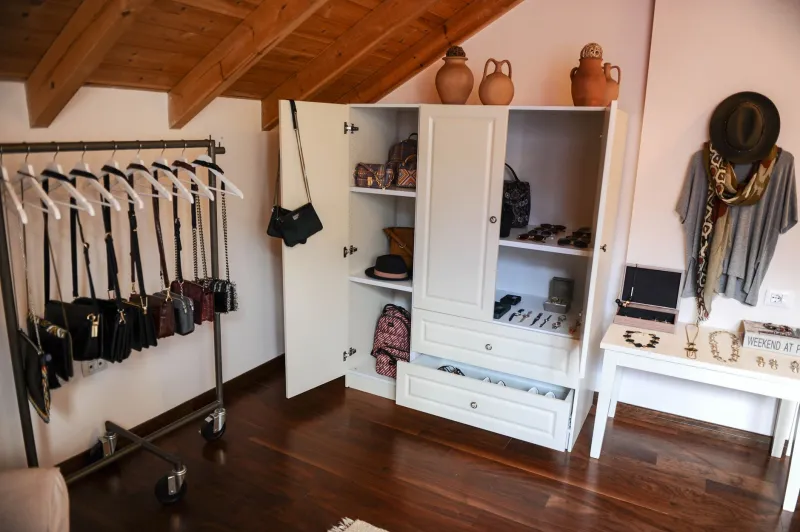
Pull everything out. Not just the shelf — the floor, the hooks on the door, the high shelf you need a step stool for. Lay it all on your bed. You're looking for bags in every sense of the word: handbags, totes, crossbodies, backpacks, duffels, clutches, wristlets, weekenders, and any hybrid situation that's hard to categorize.
As you pull each one, ask three quick questions: When did I last use this? Do I remember owning it? Does it still work the way it's supposed to?
That second question sounds funny, but it matters. If you genuinely forgot a bag existed, that tells you something real about its role in your life — which is to say, it doesn't have one.
The Car: America's Forgotten Bag Storage Unit
The back seat. The trunk. That weird space between the passenger seat and the center console. American car culture has quietly turned vehicles into overflow bag storage, and most people don't even notice it happening.
There's usually at least one reusable grocery tote that's been living back there since 2021. A gym bag that hasn't seen a gym in months. Maybe a canvas tote from a conference or a bookstore that migrated from your office. Sometimes a backup purse you threw in "just in case" and never retrieved.
Add all of it to the count. Yes, even the reusable bags — they're part of your carrying ecosystem whether you think of them that way or not.
The Office (or Home Office): Where Bags Go to Be Forgotten
Desk drawers, coat hooks, the floor under your desk, the back of a chair you never sit in. Work environments are notorious for collecting bags in a semi-permanent state of limbo — too useful to bring home, too neglected to actually use.
A lot of people keep a dedicated work bag that they stop seeing after a while. It just becomes furniture. Check whether it still fits your actual work life. Are you hybrid now? Remote? Back in the office five days a week? The bag you bought for a commute you no longer have might be costing you more than just closet space — it might be setting up an expectation for how you carry that no longer matches your day.
Guest Rooms and Storage Spaces: The Museum Wing
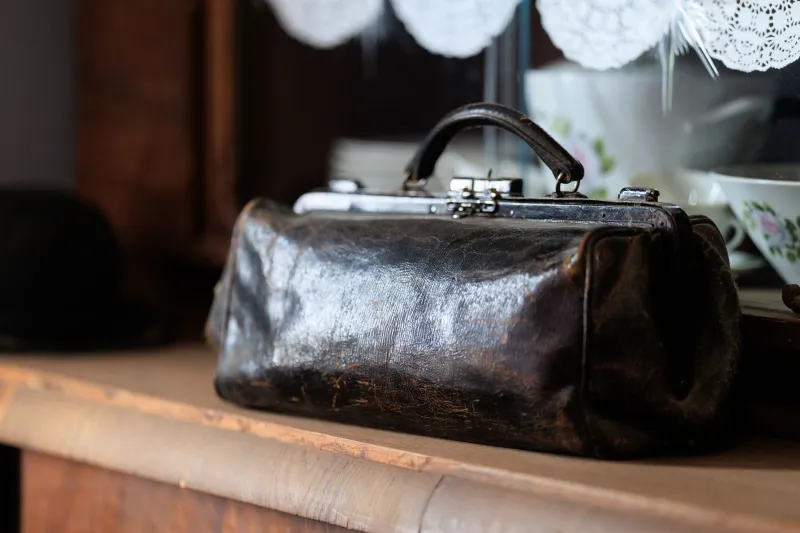
This is where bags go when they retire — but nobody officially retired them. The guest room closet shelf is basically a bag archive. You'll find things here from three apartments ago, bags you bought for a trip you took once, structured satchels from an era when you dressed differently.
Don't skip this section. It's emotionally heavier than the others, but it's also where you'll find the most honest data about your accumulation habits. How many of these bags were one-time purchases that never became regulars? How many were gifts you kept out of guilt? How many were impulse buys that didn't survive contact with real life?
What the Numbers Are Actually Telling You
Once everything is in one place — or at least counted across locations — you can start reading the data.
The active rotation is smaller than you think. For most people, it's two to four bags that do the vast majority of the carrying. Everything else is either backup, seasonal, aspirational, or forgotten.
The aspirational pile is usually the biggest surprise. These are bags you bought for a version of your life that hasn't quite materialized — the structured tote for the more polished office wardrobe, the sleek mini bag for the nightlife you keep meaning to have, the technical backpack for the hiking trips still on the someday list. They're not bad bags. They just belong to a different version of you.
The forgotten pile is the most useful discovery. If a bag genuinely slipped your memory, that's data. It means the bag failed to integrate — wrong size, wrong style, wrong material, wrong moment in your life when you bought it. Understanding why it got abandoned helps you avoid buying its replacement.
The Question That Changes Everything
Here's the reframe that makes this whole exercise worthwhile: instead of asking do I love this bag, ask does this bag actually go with me anywhere?
Love is easy to feel in a store. It's a lot harder to sustain when you're running late on a Tuesday morning and the bag doesn't fit your laptop or sits weird on your shoulder or requires an outfit you don't have the energy to put together.
Bags earn their space by being used. That's it. A bag that gets carried is a bag that's working. Everything else — no matter how beautiful, how expensive, how sentimental — is just inventory.
Making Smarter Decisions Going Forward
The whole point of this exercise isn't to make you feel bad about what you own. It's to give you better information before you spend more.
If your audit reveals that you consistently reach for soft, casual crossbodies and leave structured bags untouched, that's a signal. If your weekender bags are doing real work but your clutches are gathering dust, that's a signal too. Your actual carrying habits — not your aspirational ones — should drive your next purchase.
Before you add anything new, ask whether it fills a genuine gap in your active rotation or whether it's headed straight for the guest room shelf. One honest answer to that question is worth more than any product description.
The bags you use are the bags that matter. Everything else is just waiting to be audited.